Peters Township 724-942-4229

Can Invisalign Correct Your Smile Concerns? A Guide for Pittsburgh Patients
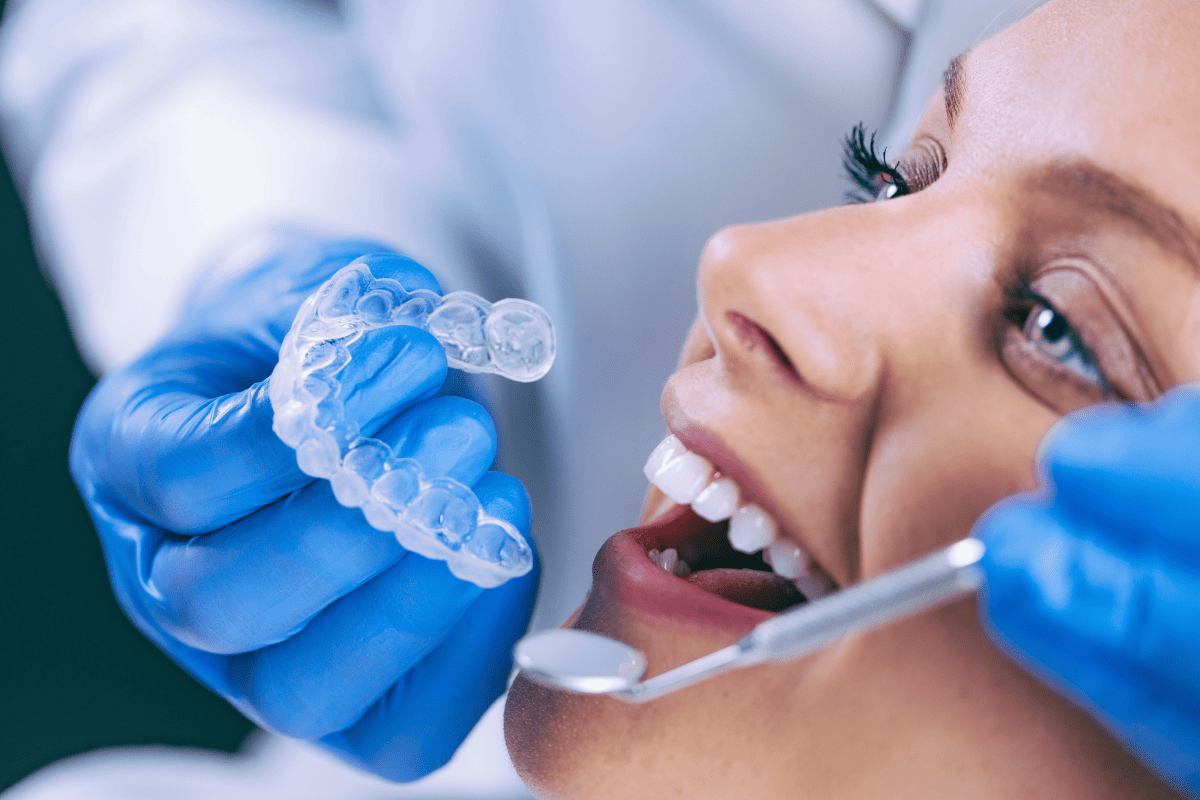
Many people assume that orthodontic treatment is only for teenagers or individuals with severely crooked teeth. In reality, concerns such as crowded teeth, noticeable gaps, bite problems, and shifting teeth can affect people of all ages. These issues often impact more than appearance alone. They can make oral hygiene more difficult, contribute to uneven tooth wear, and even affect long-term dental health.
For years, traditional braces were considered the standard solution for correcting alignment issues. While effective, metal brackets and wires are not always appealing to adults and professionals who want a more discreet treatment option. As a result, clear aligner therapy has become increasingly popular among patients looking for a modern way to improve their smiles without significantly disrupting their daily lives.
If you’re considering Invisalign in Pittsburgh, you may be wondering whether it can actually address your specific dental concerns. The answer depends on several factors, including the complexity of your case, your oral health, and your treatment goals. Fortunately, Invisalign has evolved significantly over the years and can now correct many of the same issues that once required traditional braces.
Why More Pittsburgh Patients Are Choosing Invisalign
Pittsburgh adults are busier than ever. Between professional responsibilities, family commitments, and active social lives, many patients want orthodontic treatment that fits seamlessly into their routines. Invisalign offers a level of convenience that traditional braces often cannot match.
Because the aligners are clear and removable, patients can continue attending meetings, social events, and special occasions without feeling self-conscious about their appearance. The ability to remove aligners when eating also means there are no dietary restrictions, allowing patients to enjoy their favorite foods throughout treatment.
Another major advantage is comfort. Unlike traditional braces, Invisalign does not involve brackets or wires that may irritate the cheeks and gums. Instead, patients wear smooth, custom-designed aligners that gradually guide teeth into their ideal positions.
Can Invisalign Fix Crowded Teeth?
Crowded teeth are among the most common reasons patients seek orthodontic treatment. When teeth overlap or compete for space, cleaning between them becomes more difficult. This can increase the risk of plaque buildup, cavities, and gum disease.
Invisalign works by applying gentle, controlled pressure that gradually creates proper spacing and alignment. As treatment progresses, teeth move into more functional positions, making daily brushing and flossing easier and more effective.
For many Pittsburgh patients, correcting crowding is about more than achieving a straighter smile. It’s also an investment in long-term oral health.
Can Invisalign Close Gaps Between Teeth?
Spaces between teeth can develop for a variety of reasons, including genetics, tooth size discrepancies, and shifting over time. While some patients appreciate small gaps as part of their smile’s character, others feel self-conscious about them.
Invisalign can often close unwanted spaces by gradually moving teeth closer together. The treatment process is carefully planned using digital technology, allowing patients to visualize how their smiles may change before treatment even begins.
Many patients are surprised by how significant the improvement can be without metal braces.
What About Bite Problems?
One of the biggest misconceptions about Invisalign is that it only addresses cosmetic concerns. In reality, many bite-related issues can also be corrected with clear aligners.
Overbites
An overbite occurs when the upper teeth excessively overlap the lower teeth. Depending on severity, this can contribute to tooth wear and functional concerns. Invisalign can often improve mild to moderate overbite cases by gradually repositioning the teeth.
Underbites
Patients with underbites may experience challenges with chewing, speaking, and overall bite function. While severe cases sometimes require more advanced treatment, Invisalign may be an effective option for many patients.
Crossbites and Open Bites
Crossbites and open bites can affect how teeth come together during chewing and speaking. Left untreated, these issues may contribute to uneven wear and additional dental complications. Invisalign has become increasingly effective at correcting many of these concerns through advanced treatment planning and customized aligner design.
What Is the Invisalign Treatment Process Like?
One reason Invisalign continues to grow in popularity is the simplicity of the patient experience. Treatment typically begins with a consultation at a local dental practice, where digital scans are taken to evaluate your smile and create a personalized treatment plan.
Using advanced software, our dentist can map out the anticipated movement of your teeth and estimate the progression of treatment. Once your custom aligners are created, you’ll wear each set for a designated period before moving on to the next series.
Throughout the process, periodic check-ins allow your oral care provider to monitor progress and ensure everything is on track. Compared to traditional orthodontic visits that often involve wire adjustments, many patients find Invisalign appointments quicker and more convenient.
Benefits Beyond a Straighter Smile
While aesthetics are often the initial motivation, Invisalign can provide several additional benefits:
- Easier brushing and flossing
- Improved bite alignment
- Reduced risk of uneven tooth wear
- Increased confidence during treatment
These advantages often continue long after treatment is complete, helping patients maintain healthier smiles for years to come.
Is Invisalign Right for Every Patient?
Although Invisalign is highly versatile, the best way to determine candidacy is through a professional evaluation. Factors such as the complexity of tooth movement, existing dental conditions, and overall oral health all influence treatment recommendations.
Some patients may be excellent candidates for Invisalign, while others may benefit from alternative orthodontic solutions. Sepic & Madison Orthodontics’ experienced dentist can explain your options and help you choose the treatment that aligns with your goals.
Frequently Asked Questions
How long does Invisalign treatment usually take?
Treatment timelines vary based on individual needs, but many patients complete Invisalign treatment within 12 to 18 months.
Is Invisalign noticeable when worn?
The aligners are made from clear material and are designed to fit closely against the teeth, making them far less noticeable than traditional braces.
Can adults get Invisalign?
Absolutely. Invisalign is one of the most popular orthodontic options among adults seeking a discreet way to improve their smiles.
Will Invisalign affect my daily routine?
Most patients quickly adapt to wearing aligners and appreciate the flexibility of being able to remove them for meals and oral hygiene.
How do I know if Invisalign can fix my smile concerns?
A consultation with a dentist is the best way to determine whether Invisalign in Pittsburgh can address your specific alignment and bite issues.
Discover our Invisalign Options in Pittsburgh
Whether you’re concerned about crowded teeth, unwanted gaps, or bite alignment issues, Invisalign may offer a comfortable and discreet solution. Modern clear aligner technology has helped countless patients achieve healthier, more confident smiles while avoiding many of the inconveniences associated with traditional braces.
If you’re exploring Invisalign in Pittsburgh, scheduling a consultation with an experienced dentist can provide the personalized guidance needed to determine the best path forward. A straighter smile and the confidence that comes with it may be closer than you think.