Peters Township 724-942-4229

From Crowding to Bite Problems: How Orthodontists Decide What Needs to Change
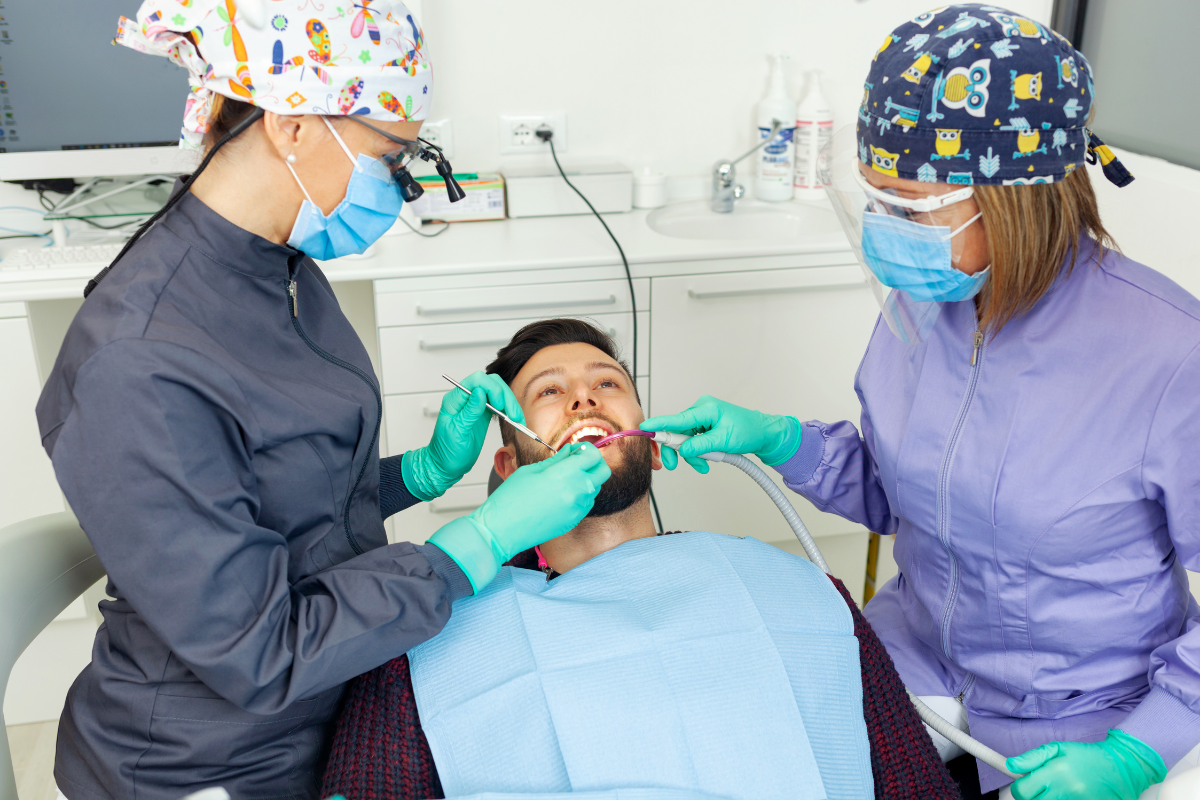
A smile can look slightly crowded, uneven, or out of alignment without causing obvious discomfort. But the position of your teeth can affect much more than appearance. The way your upper and lower teeth come together, how your jaw moves, and whether there is enough room for permanent teeth can all influence how an orthodontic problem develops over time.
That is why an orthodontic evaluation looks beyond whether teeth appear straight. An orthodontist considers the entire relationship between the teeth, jaws, bite, and facial structure before recommending treatment.
For patients searching for an orthodontist in Pittsburgh, understanding how that evaluation works can make the process feel much less complicated. At Sepic & Madison Orthodontics, we provide personalized orthodontic care based on each patient’s specific needs, rather than relying on a one-size-fits-all approach.
Why Straight Teeth Are Only Part of the Picture
When people think about orthodontics, they often picture crowded or crooked teeth. While these are common reasons for treatment, orthodontists also evaluate how the teeth function together.
A smile can appear relatively straight while still having an underlying bite concern. Likewise, someone may have noticeable crowding but require treatment that addresses more than simply creating space.
During an orthodontic evaluation, we may consider:
- Tooth position and alignment
- Available space for permanent teeth
- Overbite and underbite
- Crossbite
- Open bite
- Jaw position and growth
- Tooth spacing
- Midline alignment
- The relationship between the upper and lower arches
- Facial balance and symmetry
- How the teeth function during biting and chewing
This comprehensive approach helps determine what needs to change and why.
What Is Dental Crowding?
Dental crowding occurs when there is not enough space for teeth to fit properly within the dental arch. As a result, teeth may overlap, rotate, become displaced, or erupt in an unusual position.
Crowding can range from mild to more complex.
Mild Crowding
A patient with mild crowding may have one or two teeth that overlap slightly or appear rotated. Treatment may focus on creating enough space to improve alignment.
Moderate to Severe Crowding
More significant crowding may involve several teeth and can affect the overall shape of the dental arch. An orthodontist may need to evaluate jaw development, tooth size, available space, and the position of permanent teeth before determining the best treatment approach.
Crowding can also change as a child grows. That is one reason early orthodontic evaluations can be helpful even when a child’s teeth do not appear severely misaligned.
Why Bite Problems Matter
Your bite describes how your upper and lower teeth come together. A healthy bite allows the teeth to function efficiently while supporting comfortable chewing and jaw movement.
When the bite is not properly aligned, an orthodontist may identify conditions such as:
Overbite
An overbite occurs when the upper front teeth extend too far over the lower front teeth.
Some degree of vertical overlap is normal, but a deeper overbite may require orthodontic evaluation.
Underbite
An underbite occurs when the lower teeth sit in front of the upper teeth when the mouth closes.
Depending on the patient’s age and development, treatment may focus on tooth movement, jaw growth, or a combination of approaches.
Crossbite
A crossbite occurs when one or more upper teeth sit inside the lower teeth when the mouth closes.
Crossbites can affect individual teeth or larger sections of the dental arches.
Open Bite
An open bite occurs when certain upper and lower teeth do not come together properly when the mouth is closed.
An orthodontic evaluation can help determine contributing factors and whether treatment is appropriate.
How an Orthodontist Determines What Needs to Change
Orthodontic treatment should not begin with simply deciding that teeth need to be “straightened.” The first step is understanding the patient’s specific orthodontic condition.
At Sepic & Madison Orthodontics, our evaluation process considers several factors.
1. We Examine Tooth Alignment
The position of each tooth provides important information.
We look for:
- Overlapping teeth
- Rotated teeth
- Gaps
- Teeth that are tipped forward or backward
- Teeth that have not erupted normally
- Uneven dental arches
The goal is to understand whether individual teeth are out of position or whether the overall dental arch needs correction.
2. We Evaluate the Bite
Next, we assess how the upper and lower teeth fit together.
This can reveal problems that may not be obvious when looking at the smile from the front.
We may evaluate:
- Horizontal overlap
- Vertical overlap
- Crossbite
- Open bite
- Tooth-to-tooth contact
- Jaw movement
A proper bite evaluation helps determine whether treatment needs to address alignment, function, or both.
3. We Consider Jaw Development
For children and teenagers, growth is an important part of orthodontic planning.
The relationship between the upper and lower jaws can influence how the teeth develop and how the bite comes together.
An orthodontist may therefore consider:
- Age
- Growth stage
- Jaw relationship
- Tooth development
- Facial proportions
- Expected changes during growth
This is one reason orthodontic treatment can look very different from one patient to another.
Why Treatment Plans Are Not One-Size-Fits-All
Two patients can have similar-looking crowded teeth but completely different orthodontic needs.
For example, one patient may have adequate jaw development but insufficient space around a few teeth. Another may have crowding combined with a significant bite discrepancy.
Their treatment plans should not necessarily be identical.
At Sepic & Madison Orthodontics, we provide individualized treatment planning based on the patient’s orthodontic findings, goals, age, and overall needs.
Depending on the situation, orthodontic care may involve options such as:
- Traditional braces
- Clear braces
- Clear aligner treatment
- Early orthodontic treatment
- Two-phase orthodontic treatment
- Adult orthodontic treatment
- Retention following active treatment
The appropriate option depends on the condition being treated—not simply on which treatment looks most appealing.
When Should You Consider an Orthodontic Evaluation?
You do not necessarily need to wait until a problem becomes obvious.
An evaluation may be worthwhile if you notice:
- Significant tooth crowding
- Gaps between teeth
- Difficulty biting comfortably
- Teeth that appear to be shifting
- An overbite or underbite
- A crossbite
- An open bite
- A child’s permanent teeth erupting irregularly
- Difficulty cleaning certain areas because of tooth position
- Changes in your bite over time
Parents may also consider an orthodontic evaluation when they notice changes in a child’s developing smile.
The American Association of Orthodontists recommends that children have an orthodontic check-up by age 7, because certain developing problems can be easier to identify while the child is still growing.
Early Evaluation Does Not Always Mean Immediate Treatment
One common misconception is that an orthodontic consultation automatically means a child needs braces.
That is not necessarily the case.
Sometimes the best recommendation is simply to monitor growth and tooth development.
An orthodontist may determine that:
- Treatment is not currently necessary.
- The patient should return for periodic monitoring.
- Certain teeth need more time to develop.
- Early treatment could be beneficial.
- Comprehensive orthodontic treatment would be more appropriate later.
This approach allows treatment timing to be based on the patient’s development rather than simply starting treatment as soon as a concern is noticed.
How Modern Orthodontic Planning Helps
Orthodontic diagnosis has become increasingly precise. Modern orthodontic practices can use detailed examinations, digital records, photographs, imaging, and other diagnostic information to better understand tooth and jaw relationships.
This information helps our team develop a treatment plan based on the patient’s individual anatomy and orthodontic goals.
Rather than asking only, “How do we make these teeth look straighter?”, we can ask broader questions:
- Why are the teeth positioned this way?
- Is there enough space?
- How does the bite function?
- Is the jaw relationship contributing to the problem?
- Is treatment needed now or later?
- What approach can provide a stable, functional result?
That broader perspective is an important part of modern orthodontic care.
Choosing an Orthodontic Practice in Pittsburgh
Finding the right orthodontic provider is about more than finding a convenient location.
Patients and parents may want to consider:
- The orthodontist’s experience
- Available treatment options
- The approach to treatment planning
- Whether consultations are personalized
- Technology used for diagnosis and monitoring
- Treatment options for children, teens, and adults
- The practice’s communication and patient experience
- Whether the practice provides ongoing retention care
At Sepic & Madison Orthodontics, our services are designed to support patients through different stages of orthodontic care. We work with children, teens, and adults and focus on developing treatment plans that address individual orthodontic needs.
FAQs About Orthodontic Treatment
How do I know if I need orthodontic treatment?
Crowding, spacing, bite problems, shifting teeth, and irregular tooth development can all be reasons to seek an orthodontic evaluation. However, only an orthodontic examination can determine whether treatment is appropriate.
Can crowded teeth affect my bite?
Yes. Crowding can change how teeth contact one another and may occur alongside other alignment or bite concerns. An orthodontist evaluates both tooth position and the overall bite before recommending treatment.
Does an overbite always require braces?
Not necessarily. The severity and cause of the overbite matter. An orthodontist will evaluate the teeth, jaws, growth pattern, and overall bite before determining whether treatment is necessary.
When should my child see an orthodontist?
The American Association of Orthodontists recommends an initial orthodontic check-up by age 7. An evaluation does not necessarily mean immediate treatment. It can help identify developing concerns and determine the appropriate timing for care.
Can adults still correct crowding and bite problems?
Yes. Adults can receive orthodontic treatment for many of the same alignment and bite concerns treated in younger patients. The appropriate treatment option depends on the individual’s teeth, gums, bone support, bite, and overall oral health.
Conclusion
Orthodontic treatment is about more than making teeth look straight. Crowding, spacing, overbites, underbites, crossbites, and other concerns can have different causes and require different approaches. That is why a thorough evaluation is an important first step.
At Sepic & Madison Orthodontics, we provide personalized orthodontic care for patients throughout Pittsburgh, Pennsylvania. Our orthodontist in Pittsburgh evaluates the relationship between the teeth, bite, and jaws to determine what needs to change and develop a treatment plan around the patient’s individual needs.
If you are noticing crowding, shifting teeth, bite concerns, or changes in your child’s developing smile, schedule an orthodontic consultation with Sepic & Madison Orthodontics to learn more about your options.