Peters Township 724-942-4229

Can Braces Still Help If Your Teeth Have Been Crooked for Years?
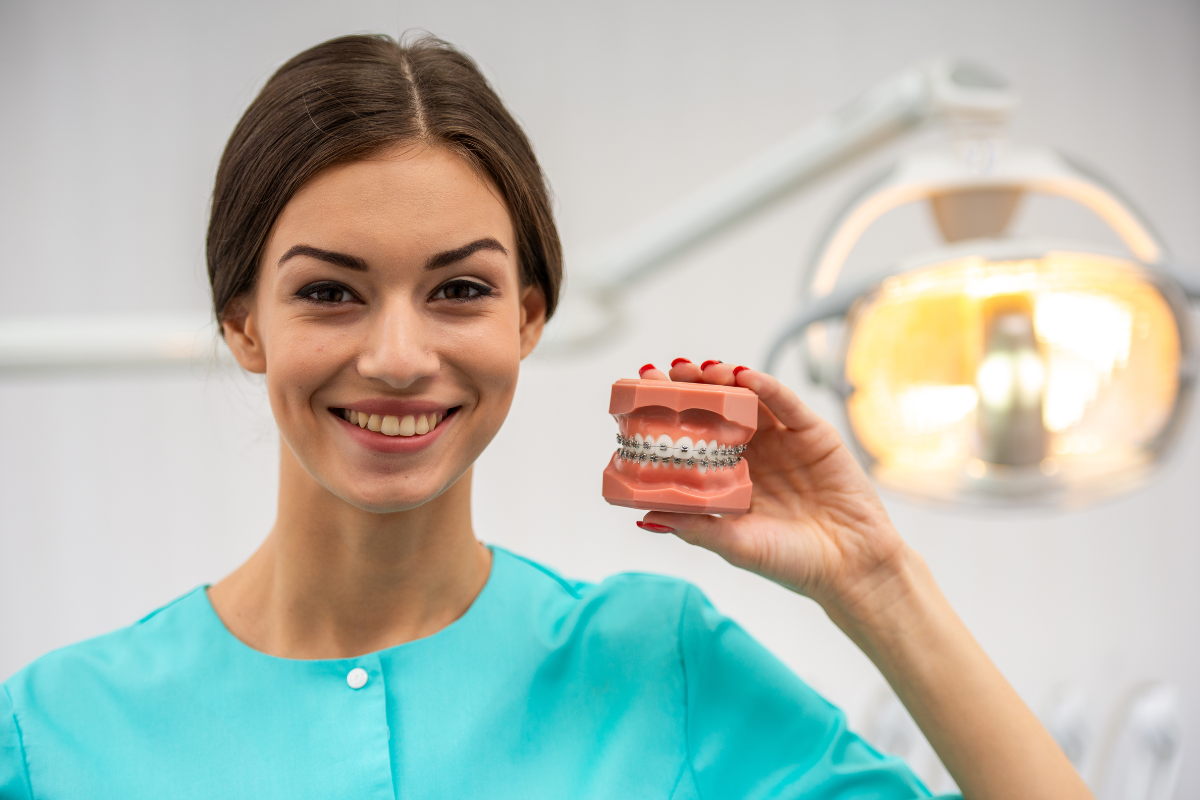
If you’ve lived with crooked or crowded teeth for years, you may wonder whether orthodontic treatment is still worth considering. Maybe you’ve gotten used to your smile, or perhaps you’ve assumed that braces are mainly for children and teenagers. The reality is that teeth can often be moved safely at many stages of life when the teeth, gums, and supporting bone are healthy.
Adults can seek orthodontic treatment for many reasons. Some want to improve the appearance of their smile, while others are concerned about crowding, bite problems, difficulty cleaning certain areas, or teeth that have shifted over time. At Sepic & Madison Orthodontics, we provide personalized orthodontic treatment based on your current smile, not how long your teeth have been crooked.
If you’re considering braces in Uniontown, you don’t have to assume that years of crooked teeth mean you’ve missed your opportunity for treatment. An orthodontic evaluation can help determine what is possible and which approach may best fit your needs.
Does It Matter How Long Your Teeth Have Been Crooked?
In most cases, the fact that your teeth have been crooked for many years does not automatically prevent orthodontic treatment.
Teeth respond to controlled orthodontic forces because the bone surrounding them can remodel over time. Your orthodontist carefully plans those forces to gradually guide teeth toward healthier and more functional positions.
The more important considerations are your current oral health and orthodontic needs.
An orthodontist may evaluate:
- The position of your teeth
- Your bite
- Jaw relationships
- Gum health
- Bone support
- Existing dental work
- Tooth roots
- Previous orthodontic treatment
- Overall oral health
So instead of asking, “Have my teeth been crooked too long?” a better question is:
“Are my teeth and supporting structures healthy enough for orthodontic treatment?”
That’s something an orthodontic evaluation can help answer.
Why Do Teeth Stay Crooked for So Long?
Teeth don’t always straighten naturally once they become crowded or misaligned. Several factors can contribute to long-term crooked teeth.
Limited Space
When there isn’t enough room in the dental arch, teeth may overlap, rotate, or become positioned farther forward or backward than they should be.
Genetics
Jaw size, tooth size, facial structure, and bite characteristics can all have a genetic component.
Early Tooth Loss
Losing baby teeth too early can sometimes affect the available space for permanent teeth.
Oral Habits
Certain childhood habits can influence developing teeth and jaws.
Natural Changes Over Time
Teeth can gradually shift throughout adulthood. Even someone who had relatively straight teeth earlier in life may notice increasing crowding later.
Previous Orthodontic Treatment
Teeth can move after braces or aligner treatment, particularly when retainers aren’t worn according to the orthodontist’s recommendations.
Understanding why your teeth are crooked can help your orthodontist determine how best to address the problem.
Can Adults Still Get Braces?
Absolutely. Orthodontic treatment isn’t limited to children or teenagers.
Adults may seek treatment because they:
- Never had orthodontic treatment as a child
- Had braces previously but experienced relapse
- Have developed crowding over time
- Want to improve their bite
- Have difficulty cleaning certain teeth
- Want to feel more confident about their smile
- Need orthodontic preparation before another dental procedure
Modern orthodontic treatment also offers options that can fit different lifestyles and preferences.
At Sepic & Madison Orthodontics, we evaluate your individual needs before recommending a treatment approach. Our services are designed around your teeth, bite, goals, and overall oral health.
What Can Braces Actually Correct?
Braces aren’t simply designed to make teeth look straighter.
Orthodontic treatment can address a variety of alignment and bite concerns.
Depending on your individual situation, treatment may help correct:
- Crowded teeth
- Spacing between teeth
- Rotated teeth
- Overbite
- Underbite
- Crossbite
- Open bite
- Misaligned dental arches
- Certain functional bite problems
Appearance Is Only Part of the Picture
A straighter smile can certainly improve confidence, but orthodontists also consider how your upper and lower teeth come together.
A balanced bite can support everyday functions such as:
- Biting
- Chewing
- Speaking
- Maintaining oral hygiene
This is why an orthodontic consultation involves more than simply looking at whether your front teeth appear crooked.
What If My Teeth Are Severely Crowded?
Severe crowding doesn’t necessarily mean braces won’t work.
However, significant crowding can require more careful planning.
Your orthodontist may evaluate:
- How much space is available
- Which teeth are overlapping
- The position of the tooth roots
- Your bite relationship
- Jaw development
- Gum and bone health
Depending on the situation, your treatment plan may involve creating space and gradually aligning the teeth.
The important point is that there isn’t one treatment plan for every crowded smile.
Two people may both have crowded teeth but require completely different approaches.
What If My Teeth Have Shifted With Age?
It’s common for adults to notice changes in their teeth over time.
You might look in the mirror one day and realize that your lower front teeth appear more crowded than they did several years ago.
This can happen because teeth aren’t permanently locked into one position. Natural forces, changes in the mouth, previous orthodontic treatment, and other factors can contribute to gradual movement.
If you notice new or increasing crowding, an orthodontic evaluation can determine what’s happening and whether treatment could help.
Does Having Dental Work Affect Braces?
Not necessarily.
Many adults have existing dental restorations, such as:
- Fillings
- Dental crowns
- Bridges
- Dental implants
- Root canal-treated teeth
- Veneers
Having dental work doesn’t automatically rule out orthodontic treatment.
However, it does make individualized planning especially important.
Your orthodontist may coordinate with your general dentist or another oral care provider when necessary. The goal is to understand the condition of your teeth and develop a treatment plan that accounts for your existing dental work.
If you’re considering treatment, let your orthodontist know about your complete dental history.
What About Gum Health?
Healthy gums and supporting bone are important before and during orthodontic treatment.
Crooked or crowded teeth can sometimes make brushing and flossing certain areas more difficult. Adults considering orthodontic treatment should have their overall oral health evaluated.
If gum inflammation or another dental concern is present, your orthodontist may recommend addressing that issue before or during orthodontic treatment.
This is one reason an orthodontic consultation shouldn’t focus solely on appearance.
Your orthodontist needs to understand the health of the entire supporting structure around your teeth.
How Long Could Treatment Take?
There isn’t one treatment length that applies to everyone.
Treatment time depends on factors such as:
- The severity of crowding
- The type of bite problem
- Tooth movement required
- Age and individual biology
- Treatment approach
- Patient cooperation
- Attendance at scheduled appointments
- Oral hygiene
- Following orthodontic instructions
Some cases are relatively straightforward, while more complex alignment or bite problems can take longer.
Rather than relying on a general estimate, an orthodontist can evaluate your smile and explain what your specific treatment may involve.
What Is It Like to Start Braces as an Adult?
If you’ve never had braces, the idea of starting treatment as an adult can feel unfamiliar.
You may wonder:
- Will braces affect my daily routine?
- Will they be uncomfortable?
- What foods can I eat?
- How do I clean my teeth?
- Will people notice them?
- How often will I need appointments?
These are normal questions.
Your orthodontic team should explain what to expect before treatment begins.
During Treatment
You will need to maintain good oral hygiene and follow your orthodontist’s instructions.
That may include:
- Brushing carefully around brackets
- Cleaning between teeth
- Avoiding foods that could damage appliances
- Attending scheduled appointments
- Wearing elastics if prescribed
- Reporting broken or damaged appliances
- Following retention instructions after active treatment
Your cooperation plays an important role in keeping treatment progressing as planned.
Are Braces Worth Considering If I’ve Waited This Long?
This is ultimately a personal decision.
If crooked teeth have bothered you for years, you may have become accustomed to them. You may also have delayed treatment because of work, family responsibilities, finances, or simply because orthodontics wasn’t a priority.
But waiting doesn’t mean you shouldn’t explore your options now.
An orthodontic consultation allows you to understand:
- What’s causing your current alignment issues
- Whether treatment is appropriate
- What treatment options may be available
- What your bite looks like
- What improvements may realistically be achieved
- What maintaining your results could involve
You don’t have to commit to treatment simply because you schedule an evaluation.
Why Choose an Orthodontist Instead of Only Visiting a General Dentist?
A general dentist is an important part of your oral care team and can help maintain your teeth and gums.
An orthodontist, however, specializes in tooth movement, bite alignment, and orthodontic treatment.
If you’re specifically concerned about crooked teeth, crowding, or bite alignment, an orthodontic evaluation can provide a more focused assessment.
At Sepic & Madison Orthodontics, we provide orthodontic services for patients with a range of alignment and bite concerns. We take the time to evaluate each smile individually rather than assuming that one treatment approach works for everyone.
Why Consider Sepic & Madison Orthodontics in Uniontown?
If you’ve been thinking about straightening your teeth for years, you don’t have to keep wondering whether treatment is still possible.
At Sepic & Madison Orthodontics, we provide personalized orthodontic care based on your current oral health, alignment, bite, and treatment goals.
Our team can help you understand:
- Whether braces may be appropriate
- What your orthodontic concerns involve
- Which treatment options may be available
- What the treatment process may look like
- How to care for your smile during treatment
- How to maintain your results afterward
We believe patients should understand their treatment rather than simply being told what they need.
If you’ve spent years hiding your smile or wondering whether your teeth can still be straightened, an evaluation can be the first step toward getting clear answers.
FAQs About Braces for Adults
Can I get braces if my teeth have been crooked for 10 or 20 years?
Yes, many adults can receive orthodontic treatment even if their teeth have been crooked for many years. Treatment suitability depends more on factors such as tooth, gum, bone, and overall oral health than simply how long the teeth have been misaligned.
Are braces only for teenagers?
No. Adults can benefit from orthodontic treatment as well. Adults may seek braces to correct long-standing crowding, bite problems, spacing, or teeth that have shifted after previous orthodontic treatment.
Can braces fix severely crowded teeth?
Braces can often help address crowding, but the appropriate approach depends on how severe the crowding is and your individual dental and skeletal characteristics. An orthodontic evaluation is necessary to determine the appropriate treatment plan.
Will I need braces if my teeth are only slightly crooked?
Not necessarily. Mild alignment concerns may have several possible treatment approaches. Your orthodontist can evaluate your bite and alignment and explain whether treatment would provide a meaningful benefit.
Is it too late to straighten my teeth as an adult?
In many cases, it isn’t too late. Adults can often undergo orthodontic treatment when their teeth, gums, and supporting bone are healthy. The best way to determine whether treatment is right for you is through an orthodontic consultation.
Conclusion
If your teeth have been crooked for years, that doesn’t automatically mean you’ve missed your chance to improve your smile. Orthodontic treatment can be considered at many stages of life, provided your teeth, gums, and supporting structures are healthy enough for treatment.
Braces in Uniontown can address more than appearance. Depending on your individual needs, orthodontic treatment may improve crowding, spacing, tooth positioning, and bite alignment.
At Sepic & Madison Orthodontics, we provide personalized orthodontic services for patients in Uniontown, Pennsylvania, and surrounding communities. If you’ve been thinking about straightening your teeth but assumed it was too late, don’t let that assumption stop you from exploring your options.
Ready to find out whether braces are right for you? Contact Sepic & Madison Orthodontics to schedule an orthodontic consultation in Uniontown.