Peters Township 724-942-4229

How Oral Care Differs for Braces and Clear Aligners Users
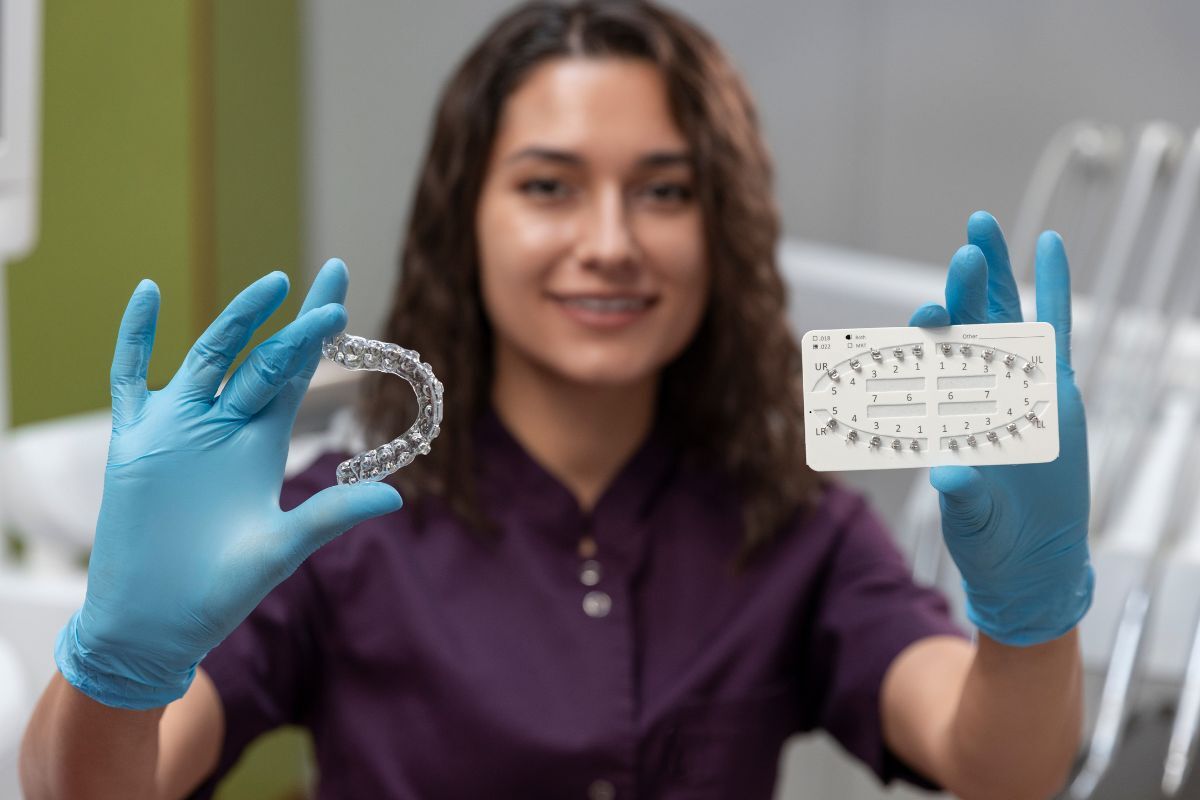
Maintaining excellent oral hygiene is crucial whether you’re wearing braces or clear aligners. However, the approach to oral care differs depending on the orthodontic treatment you’re undergoing. Understanding these differences can help ensure that your teeth and gums stay healthy throughout your treatment. Here’s a comprehensive guide on how oral care varies for braces and clear aligners users.
Oral Care for Braces
Braces are a traditional method of orthodontic treatment that involves metal or ceramic brackets and wires to straighten teeth. While they are effective in correcting dental alignment, they require a specific oral care routine to prevent issues like plaque buildup and bad breath.
1. Brushing with Braces
Brushing your teeth with braces can be a bit more challenging due to the presence of brackets and wires. Here are some tips to ensure you’re brushing effectively:
- Use a Soft-Bristled Toothbrush: A toothbrush with soft bristles will clean around your brackets and wires without causing damage. Consider using an electric toothbrush for a more thorough clean.
- Brush After Every Meal: It’s essential to brush your teeth after each meal to remove food particles and prevent plaque buildup. Brushing regularly helps keep your teeth and gums healthy.
- Focus on All Areas: Pay extra attention to the areas around the brackets and wires. Use a fluoride toothpaste and ensure you clean all surfaces of your teeth.
2. Flossing with Braces
Flossing can be more challenging with braces, but it’s crucial for preventing gum disease and cavities between your teeth.
- Use Dental Floss Threaders: Dental floss threaders or orthodontic floss can help you maneuver floss around your braces. This tool makes it easier to clean between the teeth and around the brackets.
- Floss Daily: Flossing once a day is essential to remove plaque and food particles that brushing alone might miss. Make it a part of your daily routine.
3. Rinsing with Mouthwash
Mouthwash is a valuable addition to your oral care routine with braces. It helps kill bacteria, reduce plaque, and freshen breath.
- Choose an Antimicrobial Mouthwash: An antimicrobial mouthwash can help reduce plaque buildup and prevent gum disease. Use it after brushing and flossing for best results.
- Avoid Alcohol-Based Mouthwashes: Alcohol-based mouthwashes can irritate your gums and cause dryness. Opt for alcohol-free options that are gentler on your mouth.
Oral Care for Clear Aligners
Clear aligners, such as Invisalign, are a popular alternative to traditional braces. They are removable and designed to gradually shift your teeth into the desired position. The oral care routine for clear aligners users is different from that of braces wearers.
1. Cleaning Your Clear Aligners
Proper cleaning of your clear aligners is crucial to avoid staining and maintain good oral hygiene.
- Rinse Aligners Regularly: Rinse your aligners with lukewarm water every time you remove them. This helps prevent bacteria buildup and keeps them fresh.
- Soak Aligners Daily: Use a special aligner cleaning solution or Invisalign cleaning crystals to soak your aligners daily. This helps remove plaque and keeps them clear.
- Avoid Hot Water: Never clean your aligners with hot water, as it can warp the plastic and affect the fit. Stick to lukewarm water for cleaning.
2. Brushing and Flossing with Clear Aligners
With clear aligners, you still need to maintain a thorough brushing and flossing routine to ensure your teeth and gums stay healthy.
- Brush After Every Meal: Just like with braces, brushing after meals is crucial. This prevents food particles from getting trapped between your teeth and aligners, which can lead to plaque buildup and bad breath.
- Floss Daily: Flossing remains essential to clean between your teeth and under the gumline. This helps remove debris and prevents gum disease.
3. Maintaining Oral Hygiene
Good oral hygiene is important for clear aligner users, as the aligners cover your teeth and can trap bacteria if not cleaned properly.
- Drink Water Regularly: Drinking water helps rinse away food particles and bacteria. It’s also a good idea to remove your aligners when drinking beverages other than water to prevent staining.
- Regular Dental Checkups: Visit your dentist regularly for checkups and cleanings. This helps monitor your oral health and ensures your aligners are working effectively.
Common Challenges and Solutions
Both braces and clear aligners come with their own set of challenges. Here’s how you can address common issues:
1. Plaque Buildup
- Braces: Plaque can easily accumulate around brackets and wires. Regular brushing and flossing, along with using mouthwash, can help prevent plaque buildup.
- Clear Aligners: Plaque can build up on your teeth if aligners are not removed for cleaning. Brush and floss before reinserting your aligners to maintain oral hygiene.
2. Food Particles
- Braces: Food particles can get stuck in brackets and wires. Brushing immediately after eating helps remove these particles.
- Clear Aligners: Remove your aligners before eating to prevent food particles from getting trapped. Rinse your aligners and teeth after meals.
Conclusion
Maintaining oral care with braces and clear aligners requires attention to detail and consistency. Whether you’re using traditional braces or clear aligners, following a proper oral hygiene routine is essential for a healthy smile. If you’re seeking expert advice or have questions about your orthodontic treatment, consult with an orthodontist in Pittsburgh. They can provide personalized recommendations and help you achieve the best results from your treatment.
By staying diligent with your oral care routine, you can ensure that your teeth and gums remain healthy throughout your orthodontic journey.