Peters Township 724-942-4229

Is It Safe to Start Orthodontic Treatment During Pregnancy?
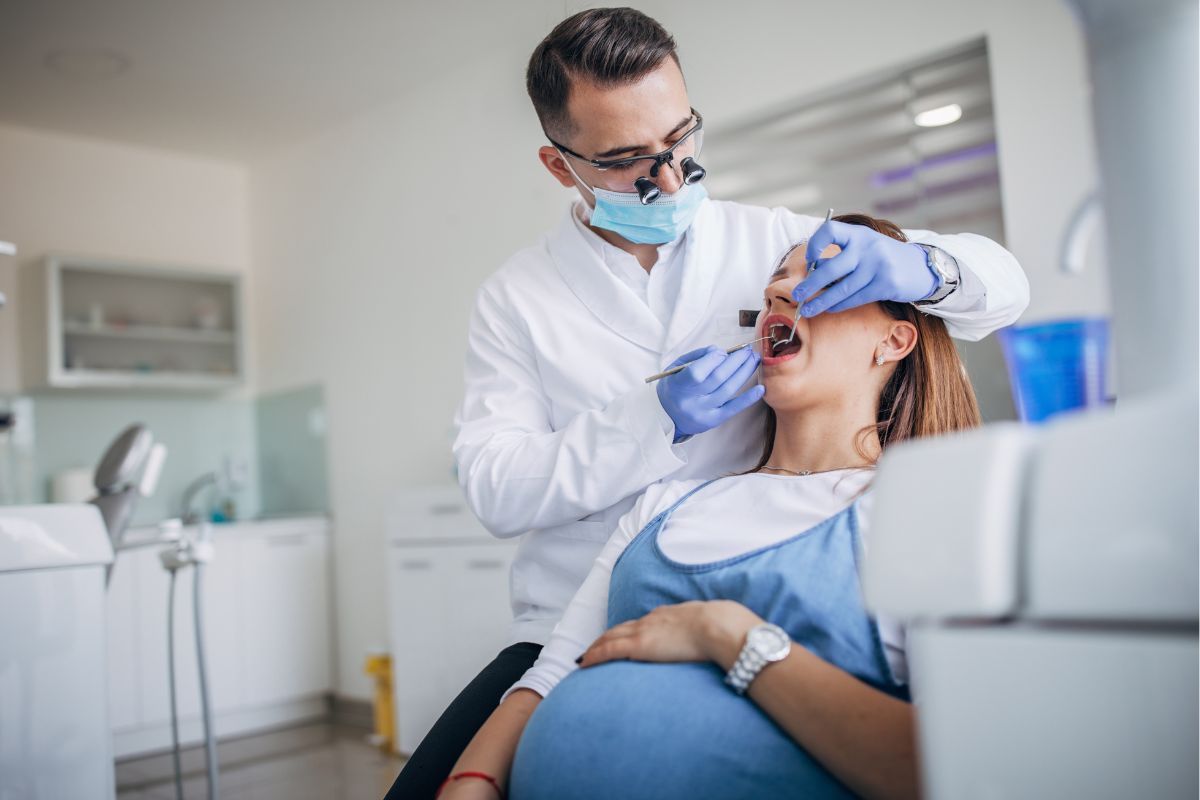
Pregnancy is a special time filled with joy and many decisions. Among these decisions, one question that might come up is whether it’s safe to start orthodontic treatment during pregnancy. Many people are eager to begin their journey towards a straighter smile, but it’s essential to consider how orthodontic treatment may impact you and your baby during this time. This blog will guide you through the important aspects of starting orthodontic care while pregnant, helping you make an informed decision.
Understanding Orthodontic Treatment
Orthodontic treatment focuses on correcting dental issues such as misaligned teeth, crowding, overbites, underbites, and gaps between teeth. The most common orthodontic treatments include braces, clear aligners, and retainers. These treatments gradually shift your teeth into their correct positions, improving both function and appearance. While these procedures are typically safe, pregnancy introduces some unique factors that should be considered.
The Impact of Pregnancy on Oral Health
During pregnancy, your body undergoes many changes, some of which can affect your oral health. Hormonal changes, in particular, can make your gums more sensitive, leading to conditions like pregnancy gingivitis, which is characterized by swollen, bleeding gums. Some women also experience increased plaque buildup, which can heighten the risk of tooth decay. These oral health challenges are important to keep in mind when considering orthodontic treatment during pregnancy.
Is It Safe to Start Orthodontic Treatment While Pregnant?
The answer to whether you can safely start orthodontic treatment during pregnancy isn’t a straightforward yes or no. For many pregnant individuals, starting orthodontic treatment can be safe, but it largely depends on your specific circumstances. Let’s explore some key factors to consider.
1. Safety of Orthodontic Materials
The materials used in orthodontic treatments, such as brackets, wires, and aligners, are generally safe and do not pose any risk to your pregnancy. There are no known harmful effects of the metals or plastics used in braces and aligners. However, if you have any allergies to certain metals, you should discuss this with your orthodontist, who can offer alternatives.
2. X-rays and Pregnancy
A critical aspect of beginning orthodontic treatment is the initial evaluation, which often includes X-rays to assess the positioning of your teeth and jaw. X-rays are usually safe due to the low levels of radiation used, especially with the protective shields provided. However, during pregnancy, especially in the first trimester, it is generally advised to avoid X-rays unless absolutely necessary. If you’re pregnant, let your orthodontist know so they can adjust the treatment plan accordingly, possibly delaying any X-rays until after delivery.
3. Comfort and Potential Discomfort
Pregnancy can bring about several physical changes, including increased sensitivity in your mouth. Braces and other orthodontic devices can cause some discomfort as your teeth shift, and this discomfort may feel amplified due to the heightened sensitivity of your gums during pregnancy. You may experience more soreness than you would otherwise. If you are dealing with morning sickness, having braces might be uncomfortable during those times, so it’s something to consider before starting treatment.
4. Dietary Considerations
Braces often come with dietary restrictions to protect the brackets and wires. During pregnancy, it’s important to maintain a balanced diet for the health of both you and your baby. Foods rich in calcium, vitamins, and minerals are essential during this time. Some foods recommended during pregnancy might be difficult to eat with braces, such as nuts, crunchy vegetables, or tough meats. Consider whether you can maintain a healthy diet while following the necessary food guidelines for braces.
5. Scheduling Frequent Visits
Orthodontic treatment requires regular visits to the orthodontist for adjustments and monitoring progress. If you have a high-risk pregnancy or are experiencing complications, frequent visits may be inconvenient or challenging. It’s important to evaluate whether you can commit to the necessary appointments during your pregnancy.
Pros and Cons of Starting Orthodontic Treatment During Pregnancy
To help you make a well-rounded decision, here are some pros and cons to consider:
Pros:
- Time Efficiency: Starting treatment now means you won’t have to wait until after your baby is born, allowing you to work towards your dental goals without delay.
- Improved Oral Hygiene: Correcting dental misalignments can improve oral hygiene, which is especially beneficial during pregnancy when gum disease risk is higher.
- Confidence Boost: Many people feel more confident when they begin to see improvements in their smile, which can be a great morale booster during the emotional rollercoaster of pregnancy.
Cons:
- Increased Sensitivity: Hormonal changes can make your gums more sensitive, potentially leading to increased discomfort from braces or aligners.
- Potential Discomfort with Appointments: If you are experiencing fatigue or other pregnancy symptoms, attending frequent orthodontic appointments may be tiring.
- Diet Restrictions: Orthodontic treatments can limit the foods you can comfortably eat, which might be challenging when trying to meet nutritional needs during pregnancy.
Tips for Safe Orthodontic Treatment During Pregnancy
If you decide to start orthodontic treatment during pregnancy, consider the following tips to keep the process smooth:
- Communicate with Your Orthodontist: Let your orthodontist know you’re pregnant so they can adjust your treatment plan if needed.
- Prioritize Oral Hygiene: Pregnant women are at higher risk for gum disease, so be diligent with brushing and flossing, especially if you have braces.
- Stay Comfortable: If you experience discomfort, talk to your orthodontist about options like orthodontic wax or other pain relief methods that are safe for pregnancy.
- Monitor Your Diet: Choose braces-friendly foods that still meet your nutritional needs, like soft fruits, steamed vegetables, and dairy products.
Conclusion
Starting orthodontic treatment during pregnancy is possible for many, but it’s not without its considerations. Understanding the potential challenges and planning accordingly can help ensure a smooth and safe experience. If you’re unsure, it’s always best to consult with both your orthodontist and your prenatal care provider to make the decision that’s best for you and your baby. Remember, your health and comfort are the top priorities, so make sure you have all the information you need to make an informed choice about starting orthodontic treatment during pregnancy.