Peters Township 724-942-4229

7 Warning Signs You Need Orthodontic Care
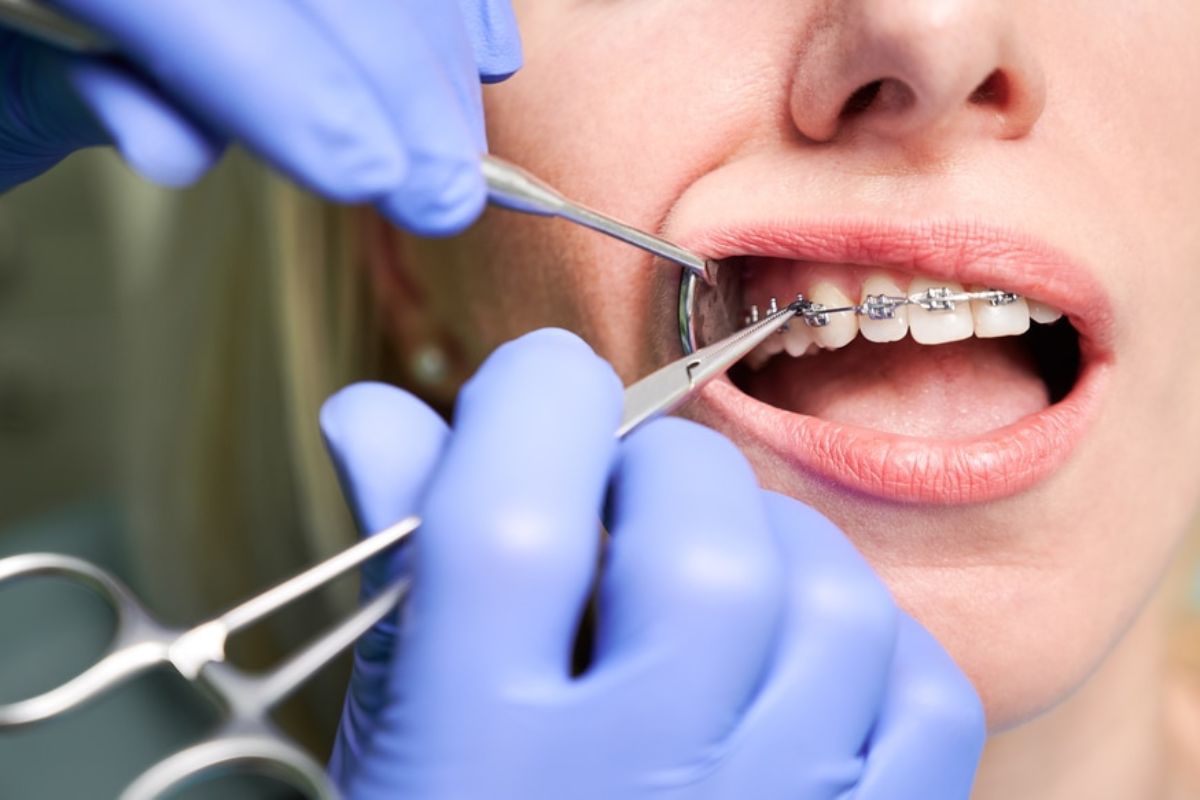
Orthodontic treatment is often associated with teenagers getting braces, but it’s not just about straightening teeth for cosmetic reasons. Orthodontic issues can affect how you eat, speak, breathe, and even how your jaw develops. Whether you’re a parent watching your child’s smile grow or an adult noticing new changes, understanding the warning signs can help you take action at the right time.
At Sepic & Madison Orthodontics in Pittsburgh, PA, many patients wonder when it’s time to seek help. If you’re unsure, this guide will walk you through seven clear signs that it might be time to consult a Pittsburgh orthodontist.
1. Crowded or Overlapping Teeth
Crowded teeth are one of the most obvious indicators that orthodontic care is needed. If teeth don’t have enough space to grow in properly, they may shift, twist, or overlap. This can make cleaning difficult, which increases the risk of cavities and gum issues. It’s not just a cosmetic problem—it’s a functional one, too.
2. Early or Late Loss of Baby Teeth
Baby teeth are supposed to fall out on a fairly predictable schedule. If your child is losing them too early or too late, it could be a sign that permanent teeth will not emerge in the right position. An evaluation from an orthodontist in Pittsburgh can help determine if future spacing issues or alignment concerns are likely.
3. Jaw Pain or Clicking Sounds
Persistent jaw pain, tension, or a clicking sound when opening or closing your mouth may signal an alignment problem. These issues can lead to more serious jaw joint conditions, like TMJ disorders, if left untreated. Orthodontic care can help realign your bite and reduce discomfort over time.
4. Difficulty Chewing or Biting
If you or your child struggles to bite into food or chew evenly, this may indicate that the teeth or jaw are misaligned. Overbites, underbites, and crossbites can all interfere with proper chewing function. These issues don’t typically resolve on their own and may worsen if not addressed.
5. Mouth Breathing or Snoring
Chronic mouth breathing, especially during sleep, can be linked to jaw development and airway issues. While this might seem unrelated to orthodontics, the structure of the jaw and dental arches often plays a role. An evaluation can help determine if orthodontic treatment might improve breathing and sleep quality.
6. Gaps Between Teeth
Large spaces between teeth—whether due to genetics, thumb-sucking, or early loss of teeth—can affect how the upper and lower jaws come together. While small gaps may not require treatment, larger ones can affect speech and bite function. A customized approach can close the gaps and guide teeth into better alignment.
7. Bite Misalignment (Overbite, Underbite, Crossbite)
Any noticeable imbalance in how your upper and lower teeth meet is worth a closer look. An overbite may cause excessive wear on lower teeth. An underbite may affect jaw growth. Crossbites can lead to uneven wear and jaw pain. Each of these can be corrected through tailored orthodontic care.
Conclusion: Don’t Ignore the Signs
It’s easy to think of orthodontics as purely cosmetic, but the truth is, it’s about much more than a straight smile. Misalignment, crowding, bite issues, and jaw discomfort can all have long-term effects on oral health, comfort, and confidence. Recognizing these early signs can help you or your child avoid more complicated dental issues down the road.
Even if you’re unsure whether a problem exists, a simple consultation can offer peace of mind and a clear path forward.
If you’ve noticed any of these signs in yourself or your child, it may be time to talk to a professional. Sepic & Madison Orthodontics in Pittsburgh, PA, offers expert guidance and personalized care to support healthy, confident smiles. Schedule a consultation with a trusted Pittsburgh orthodontist and take the first step toward lasting oral wellness.