Peters Township 724-942-4229

Starting Orthodontic Treatment In Pittsburgh? Here Are The Mistakes To Avoid
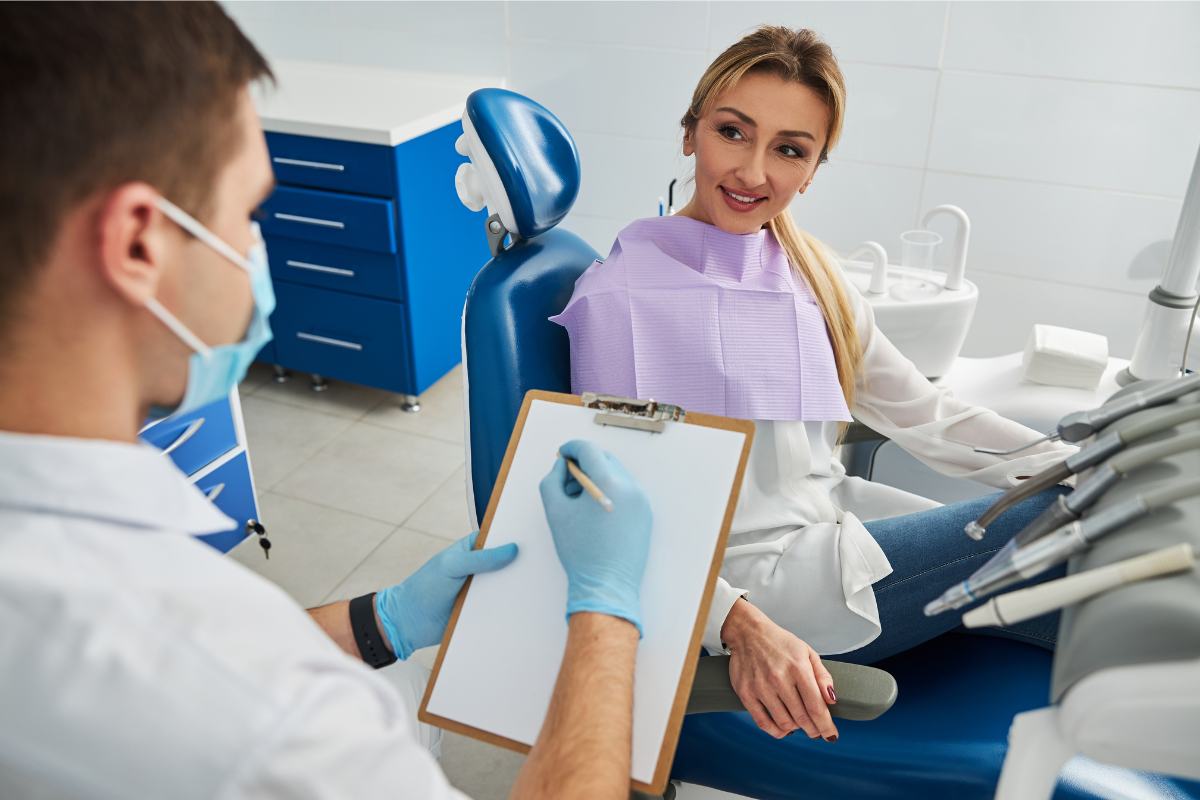
Many adults spend years thinking about straightening their teeth before finally scheduling an appointment. Some assume they are too old for braces, while others worry that treatment will interfere with work, social events, or daily routines.
In reality, modern orthodontic treatment offers discreet and flexible options. This makes it easier for adults to improve both appearance and oral health without changing their lifestyle.
Delaying treatment, however, can allow minor alignment problems to become complicated over time. Crooked teeth, bite imbalance, and untreated crowding may contribute to uneven enamel wear, gum irritation, jaw discomfort, and difficulty cleaning between teeth. At Sepic & Madison Orthodontics, many adult patients initially share concerns about visibility, comfort, and how treatment may affect their routine. However, they are unaware that delaying treatment can make orthodontic problems difficult to correct later.
Understanding these common mistakes early can make the entire orthodontic process smoother, faster, and more successful from the start.
Assuming Orthodontic Treatment Only Works For Teenagers
One of the most common misconceptions adults believe is that braces and aligners are only effective during adolescence. Although orthodontic treatment is often associated with teenagers, adults now represent a growing percentage of orthodontic patients throughout the United States.
Modern adult orthodontic treatment can successfully address a wide range of concerns, including:
- Crowded teeth
- Gaps between teeth
- Bite misalignment
- Shifting teeth after childhood braces
- Jaw discomfort related to occlusion
- Cosmetic concerns before professional or personal milestones
Because adult jaw structures are fully developed, treatment may sometimes require more careful planning than treatment for younger patients. However, healthy tooth movement remains possible for nearly all ages when supported by proper oral health and consistent care. A qualified Pittsburgh orthodontist can help determine which treatment option fits both functional concerns and lifestyle needs.
Ignoring Existing Dental Problems Before Orthodontic Treatment
You are making a mistake if you consider smile improvement without addressing underlying oral health concerns. Orthodontic treatment works best when the teeth, gums, and supporting structures are healthy before tooth movement begins.
Before starting treatment, an orthodontist may carefully evaluate:
- Gum health
- Existing cavities
- Enamel wear
- Jaw joint function
- Previous dental work
- Signs of teeth grinding or clenching
Even minor oral concerns can become more noticeable once teeth begin shifting into new positions.
Tooth Concerns That May Affect Orthodontic Results
During evaluations, grown-ups commonly discover issues such as:
- Early gum recession
- Worn enamel from grinding
- Small tooth fractures
- Older fillings needing replacement
- Mild jaw joint inflammation
- Bone loss related to gum disease
These conditions may not always cause immediate symptoms, but they can influence long-term treatment stability and overall oral health. Addressing these early on often helps create a smoother and more predictable teeth-straightening experience.
Expecting Unrealistic Results From Social Media Trends
Social media has changed how families in Pittsburgh view dental treatment. Short videos and before-and-after transformations often give the impression that tooth correction yields rapid results in just a few months.
In reality, every smile responds differently based on factors such as:
- Bone density
- Tooth positioning
- Bite alignment
- Gum health
- Previous dental work
- Severity of crowding or spacing
Safe movements require controlled pressure and gradual adjustments over time. Attempting to accelerate treatment too aggressively may increase the risk of complications such as root resorption, bite instability, gum irritation, or long-term relapse.
A trained Pittsburgh orthodontist creates a customized treatment plan focused on both cosmetic improvement and healthy bite function. They do not suggest internet trends or unrealistic timelines.
Ignoring Lifestyle Habits That Affect Your Orthodontic Progress
Daily habits often influence dental alignment success more than many realize. Busy work schedules, stress, irregular eating routines, and inconsistent aligner wear can all affect treatment progress.
Many adults in Pittsburgh find it challenging to keep up with their orthodontic routines amidst the busy hustle of commuting, family duties, and work commitments. Even small interruptions can delay tooth movement and extend treatment timelines.
Daily Habits That Commonly Interfere With Orthodontic Treatment
Some of the most common habits that affect treatment include:
- Forgetting to wear aligners for the recommended number of hours
- Drinking sugary or acidic beverages throughout the day
- Clenching teeth during stressful work hours
- Missing orthodontic follow-up visits
- Frequently chewing ice or hard foods
- Neglecting oral hygiene around brackets or attachments
Successful adult braces treatment in Pittsburgh depends heavily on consistency outside the dental clinic. If you follow instructions carefully, you will experience smoother progress and more predictable results.
Choosing Orthodontic Treatment Based Only On Price
Cost understandably plays an important role when selecting an oral care provider. However, choosing dental alignment treatment solely based on price can sometimes lead to additional problems later.
Lower-cost systems may not always provide:
- Comprehensive bite analysis
- Ongoing monitoring
- Personalized adjustments
- Evaluation of jaw function
- Long-term retention planning
Treatment involves more than simply straightening visible teeth. It involves planning that also considers facial balance, occlusion, chewing function, speech clarity, and long-term stability. So, you must focus on treatment quality, professional supervision, and long-term oral health outcomes rather than comparing prices alone.
Missing The Connection: Bite Alignment & Overall Oral Health
Most families in Pittsburgh initially seek teeth alignment for cosmetic reasons. However, proper bite alignment also affects long-term oral function and comfort.
An uneven bite may contribute to:
- Jaw soreness
- Tooth sensitivity
- Uneven enamel wear
- Chronic clenching
- Headaches
- Difficulty chewing efficiently
- Increased stress on certain teeth
A qualified Pittsburgh orthodontist evaluates both appearance and function before recommending any solution. Early intervention can often prevent the need for complex or restorative procedures later. Adults searching for ways to fix crowded teeth often find that correcting alignment improves access to oral hygiene and helps reduce plaque accumulation around overlapping teeth.
Failing To Understand The Importance Of Retainers
It is easy to assume the orthodontic process is complete once the active phase of treatment ends. However, retainers remain among the most important factors in maintaining your dental work.
Teeth naturally shift over time because of aging, chewing pressure, grinding habits, and gradual changes in jaw structure. Without consistent retainer use, teeth may slowly begin moving back toward their previous positions.
Wearing retainers as recommended helps protect the stability of dental work results and supports long-lasting alignment. Staying consistent with retainer use can make a major difference in preserving a healthy, balanced smile for years ahead.
Frequently Asked Questions (FAQs)
Q. Can adults still achieve effective orthodontic results?
Yes. Adults commonly achieve excellent outcomes with modern orthodontic treatment, including braces and clear aligners. Treatment timelines vary depending on complexity, bite position, and oral health.
Q. How long does adult orthodontic care usually take?
Most adults complete treatment within 12 to 24 months. More complex cases involving severe crowding or bite correction may require additional time.
Q. Is orthodontic treatment still effective later in life?
Yes, healthy tooth movement remains possible for adults of many ages when supported by proper oral health and consistent care. Treatment planning may simply require a more customized approach compared to younger patients.
Q. Can crowded teeth affect oral health?
Yes. Crowded or overlapping teeth can make brushing and flossing more difficult, increasing the risk of plaque buildup, gum irritation, enamel wear, and cavities.
Q. Why are retainers necessary after treatment?
Retainers help maintain tooth alignment after orthodontic movement is complete. Without proper retainer use, teeth may gradually shift back toward their original positions.
A Healthier Smile Starts With The Right Orthodontic Team
Delaying orthodontic treatment can allow minor alignment concerns to gradually affect oral health, bite function, and long-term comfort. Whether you are experiencing crowded teeth, shifting after previous braces, or jaw discomfort caused by bite imbalance, early evaluation leads to efficient and predictable treatment outcomes. Modern tooth alignment solutions now make it easier for adults to improve their smiles while maintaining busy professional and personal schedules.
At Sepic & Madison Orthodontics, patients receive personalized care focused on smile stability, comfort, and healthy bite alignment. Dr. Christopher Sepic and Dr. Craig Madison provide customized treatment plans using advanced orthodontic technology for patients throughout Pittsburgh, Uniontown, Pleasant Hills, Peters Township, and surrounding communities.
If you are searching for a trusted Pittsburgh orthodontist or exploring options for tooth correction, schedule a consultation with us. Our team will walk you through the best options that suit your oral concerns.