Peters Township 724-942-4229

The Future of Orthodontics: How Digital Scans Are Changing the Game
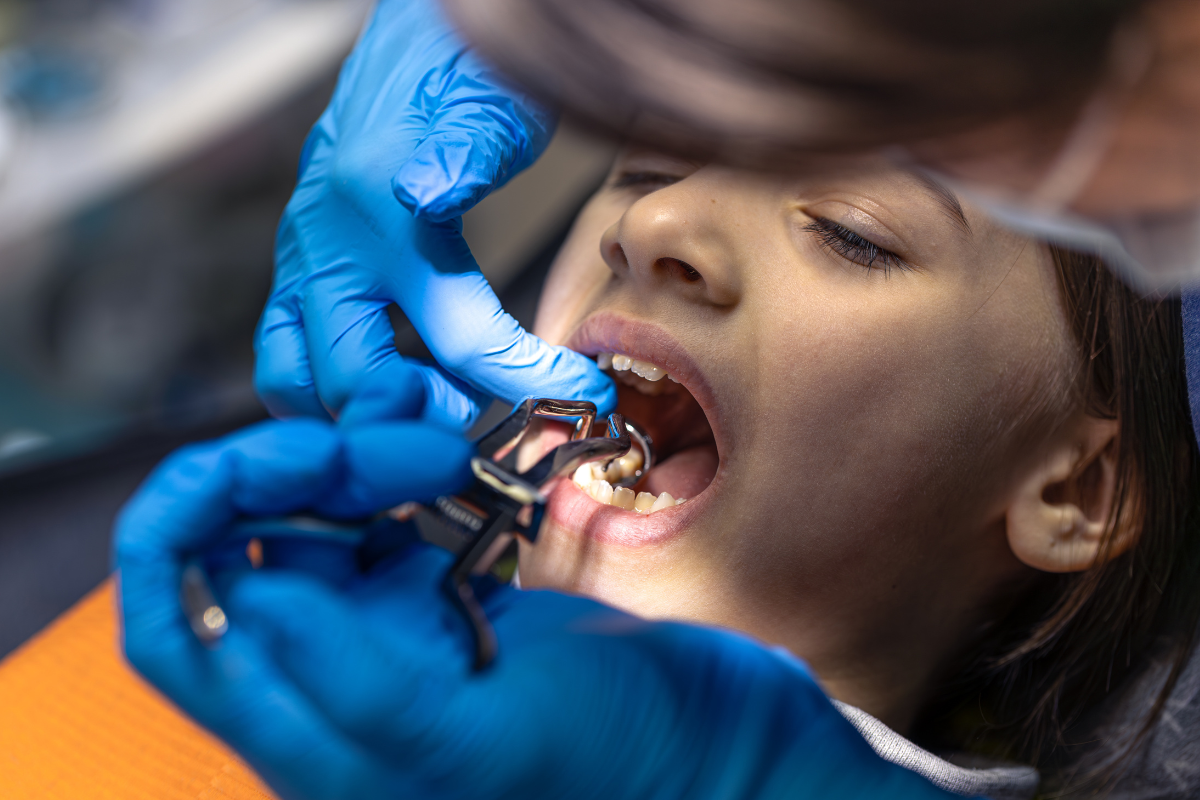
Remember those trays filled with thick, chalky material that the dentist pressed into your mouth to take an impression? If you have been through traditional orthodontic treatment, you know exactly what that experience felt like, and you probably did not love it.
Today, that process is becoming a thing of the past. Digital scanning technology is reshaping how orthodontists plan, track, and deliver treatment. It is faster, more precise, and far more comfortable for patients of all ages.
For families and individuals across Pittsburgh seeking modern orthodontic care, Sepic & Madison Orthodontics is leading the way in bringing this technology to every patient’s treatment journey. Under the guidance of Dr. Christopher Sepic, the practice combines decades of clinical experience with the latest advancements in digital orthodontics.
Meet Dr. Christopher Sepic
Dr. Christopher Sepic earned his Doctorate of Dental Medicine from the University of Pittsburgh School of Dental Medicine and completed his orthodontic residency at the University of Rochester Eastman Dental Center. With over 20 years of practice experience and recognition as a Diamond+ Invisalign provider, placing him among the top 1% in North America, Dr. Sepic brings a high level of knowledge and dedication to every patient he treats.
What Are Digital Scans in Orthodontics?
Digital scans, also called intraoral scans, use a small, handheld wand-like device to capture thousands of images of your teeth and gums within minutes. These images combine to form a precise, 3D digital model of your mouth.
This technology replaces the old-fashioned putty impressions that many patients found uncomfortable or even triggered a gag reflex. With digital scanning, there is no mess, no waiting, and no guesswork.
How the Process Works
- A trained dental team member passes the scanner gently over your teeth
- The scanner captures detailed images in real time
- A full 3D model of your teeth appears on a screen within minutes
- Your orthodontic professional uses this model to plan your treatment immediately
The result is a faster, cleaner, and far more accurate picture of your oral structure.
Why Digital Scans Are a Game-Changer for Orthodontic Treatment
1. Unmatched Precision in Treatment Planning
Traditional impressions could capture general shapes, but digital scans go much further. They reveal subtle details about tooth position, bite alignment, and jaw structure that older methods might miss.
This level of detail allows an orthodontist in Pittsburgh to build highly accurate treatment plans from day one. When your orthodontic surgeon can see exactly where each tooth sits and where it needs to go, every step of your treatment becomes more predictable.
2. A More Comfortable Patient Experience
For children, teens, and adults who feel anxious about dental visits, digital scanning removes one of the most common sources of discomfort. There is no material to bite down on, no waiting for a mold to harden, and no risk of it breaking and having to start over.
Patients at a local dental practice often describe the scanning experience as surprisingly quick and easy. This comfort matters, especially when encouraging younger patients to begin orthodontic treatment early.
3. Real-Time Visualization
One of the most exciting aspects of digital scanning is that patients can see their own teeth on a screen right away. This changes the conversation between patient and provider.
Instead of waiting weeks for a physical model to come back from a lab, your care provider at a local dental office in Pittsburgh can walk you through your treatment options on the same day as your scan.
4. Better Outcomes with Aligners and Braces
Digital models feed directly into software that designs clear aligners, like Invisalign, with pinpoint accuracy. This means each aligner tray moves your teeth in precisely the right direction, reducing the chance of adjustments or delays.
For patients with braces, digital scans help map wire placement and bracket positioning with far greater detail than a physical impression can. The result is more efficient movement and potentially shorter treatment times.
5. Easy Progress Tracking
Digital records do not get lost, degrade over time, or need physical storage. Our orthodontic surgeon can pull up your scan from six months ago and compare it directly with your current progress scan, all on screen, in seconds.
This kind of tracking helps the oral care provider catch small issues before they become bigger ones. It keeps your treatment on track and reduces the chance of surprises along the way.
Digital Scanning and the Rise of Predictable Orthodontics
Modern orthodontic care has shifted from an art based on estimation to a science grounded in data. Digital scans sit at the center of this shift.
When our orthodontist in Pittsburgh has access to a full 3D model of your mouth, they can use advanced planning software to simulate how your teeth will move over the course of treatment. You can even see a preview of what your smile might look like at the end, before treatment even begins.
This kind of visualization helps patients feel more invested in their treatment. When you can see the destination, the journey feels more worthwhile.
If you have been searching for an orthodontist near me and want to experience this level of modern care, Sepic & Madison Orthodontics offers digital scanning as part of their standard new-patient process.
Who Benefits Most from Digital Scanning Technology?
Children and Teens
Early orthodontic evaluations are recommended around age 7. Digital scans make these evaluations quick, easy, and non-intimidating for young patients. The process often feels more like a video game than a dental visit; kids can watch their own teeth appear on a screen in real time.
For teens who need braces or clear aligners, digital scans allow our orthodontist team to create treatment plans that account for ongoing growth and development.
Adults Considering Orthodontic Treatment
More adults than ever are starting orthodontic treatment. Digital scanning makes the experience far more accessible for busy adults. There is no messy impression material on your work clothes, no lengthy appointments, and no waiting weeks for a treatment plan.
Patients with Dental Anxiety
Dental anxiety is real and common. For patients who feel nervous about oral care procedures, digital scanning removes a significant source of stress. The process is gentle, fast, and completely non-invasive.
Sepic & Madison Orthodontics – Bringing Modern Orthodontics to Pittsburgh
Families across Pittsburgh and the surrounding Pennsylvania communities have trusted our dental office for comprehensive orthodontic care. The practice combines the experience of a well-established dental clinic with the technology of a forward-thinking modern practice.
As a trusted orthodontist in Pittsburgh with over two decades of experience, Dr. Sepic understands that every patient’s smile is different. Digital scans give him and his team the information they need to create personalized treatment plans, not one-size-fits-all solutions.
Whether you are exploring braces, Invisalign, or early orthodontic evaluation for your child, digital scanning means your care starts with the most accurate picture possible.
Your Smile Starts with the Right Scan
Digital scanning is not just a trend. It is the new foundation for how thoughtful orthodontic treatment is delivered. Patients who choose a provider who offers this technology benefit from greater comfort, better precision, and a clearer view of their path to a straighter smile.
If you are ready to take the first step toward a healthier, more confident smile, Sepic & Madison Orthodontics welcomes patients from Pittsburgh and all across Pennsylvania.
Book an appointment with Sepic & Madison Orthodontics at 70 Old Clairton Road, Pittsburgh, PA 15236, and experience the difference that modern digital orthodontics can make. Call 4126536555 to schedule your consultation today.
Frequently Asked Questions (FAQs)
1. What is a digital scan in orthodontics?
A digital scan uses a small handheld device to create a 3D model of your teeth and gums. It replaces traditional putty impressions and gives your orthodontist a highly accurate view of your mouth to plan your treatment.
2. Are digital scans safe for children?
Yes, digital scans are completely safe for patients of all ages. The process involves no radiation and no contact with any chemicals or impression materials, making it a gentle option for children and teens.
3. How long does a digital scan take?
Most digital scans are completed in just a few minutes. The process is quick, comfortable, and produces results that your orthodontist can review with you right away during the same visit.
4. Do digital scans improve the accuracy of braces and aligners?
Yes. Because digital scans capture precise 3D images of your teeth, they allow for more accurate bracket placement with braces and more precisely fitted aligner trays. This can lead to more predictable results and a smoother treatment experience.
5. Can digital scans detect problems that traditional impressions might miss?
Digital scans capture fine details about tooth position and bite alignment that traditional methods may not fully reveal. This helps the orthodontist identify issues early and create a more thorough treatment plan.
6. Is digital scanning covered by insurance?
Coverage varies depending on your insurance plan and provider. During your consultation at an orthodontic office, the team can help you review your insurance benefits and understand your options.
7. Do I still need X-rays if I have a digital scan?
Digital scans and X-rays serve different purposes. Scans show the surfaces of your teeth and gums in 3D, while X-rays reveal the roots and bone structure. The orthodontist may use both to get a full picture of your oral health.
8. At what age should my child have a digital scan?
The American Association of Orthodontists recommends that children have their first orthodontic evaluation around age 7. A digital scan can be part of this early evaluation and is well-tolerated by most young patients.
9. How do digital scans support Invisalign treatment?
Invisalign trays are custom-made from digital scan data. The more precise the scan, the better the fit of each aligner, which directly impacts how effectively your teeth move throughout treatment.