Peters Township 724-942-4229

A Clear Breakdown of Braces Treatment Options in McMurray
A Parent’s Question Often Starts the Journey
“Do they still make kids wear metal braces?”
That’s one of the most common questions parents ask during consultations. Others wonder if adults can straighten their teeth without obvious hardware. And many teens just want to know how braces will affect their daily routine.
If you’re exploring braces in McMurray, you’re not alone. Families along Washington Rd, McMurray frequently visit Sepic & Madison Orthodontics looking for clear answers about what options exist and which one makes the most sense for their lifestyle.
This guide walks through the choices available today, explains why treatment may be needed, and shows what to expect from start to finish.
Why People in McMurray Start Considering Braces
Most orthodontic journeys begin with a simple observation, such as teeth that don’t line up quite right or a bite that feels uncomfortable.
Some patients seek treatment for cosmetic reasons, but many are surprised to learn that braces often solve deeper functional problems.
Common reasons braces become necessary:
- Teeth that crowd together due to limited space
- Noticeable gaps between teeth
- Difficulty biting or chewing properly
- Jaw pain caused by uneven pressure
- Teeth that stick out or overlap
- Early or late loss of baby teeth
- Thumb-sucking habits during childhood
In growing children, timing plays an important role. Early detection can prevent more complex issues later, while adults often seek treatment to correct shifting that occurred over time.
The Different Types of Braces: What Sets Them Apart
Today’s orthodontic treatments look very different from the traditional metal braces many people remember. Modern options focus on comfort, efficiency, and appearance.
Traditional Metal Braces: Still Reliable and Effective
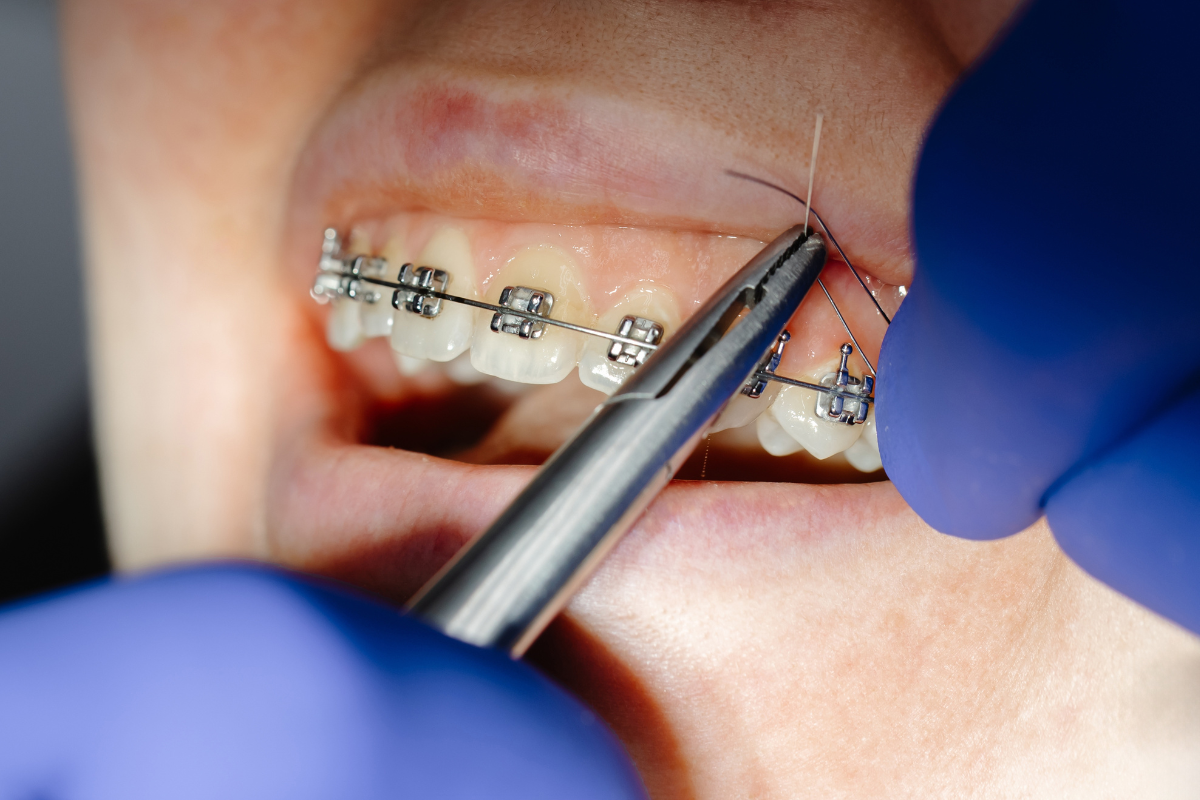
Metal braces remain one of the most widely used orthodontic tools. They consist of small brackets attached to each tooth and connected by wires that guide teeth into better alignment.
Why patients still choose them:
- Highly effective for complex cases
- Durable and dependable
- Often more affordable than other options
- Customizable with colored bands (popular with younger patients)
Despite their reputation, modern metal braces are smaller and more comfortable than older versions.
Ceramic Braces: A More Subtle Look
Ceramic braces function similarly to metal braces but use tooth-colored or clear materials.
They are often chosen by:
- Teens who want a less noticeable appearance
- Adults who prefer a discreet solution
- Patients are concerned about visible hardware
While ceramic braces blend better with natural teeth, they require careful cleaning to prevent staining.
Clear Aligners: Flexible and Nearly Invisible
Clear aligners have become increasingly popular for patients seeking minimal visual impact during treatment.
These removable trays are custom-made to fit snugly over teeth and gradually move them into position.
They are especially appealing for:
- Adults with professional commitments
- Teens involved in public activities
- Patients who prefer removable appliances
However, success depends on consistent wear. Aligners must be worn most of the day to remain effective.
How an Orthodontist Decides Which Option Is Right
Choosing the best brace option isn’t just about appearance; it depends on several important factors.
During an evaluation, the orthodontist considers:
- Severity of alignment issues
- Jaw positioning
- Age and growth stage
- Lifestyle habits
- Treatment goals
- Oral hygiene practices
At Sepic & Madison Orthodontics, each plan is designed individually rather than applying a one-size-fits-all solution.
That personalized approach helps ensure long-term success.
What Happens Once Treatment Begins
Starting braces can feel like a big step, but the process is usually straightforward and carefully managed.
Here’s a simplified look at how treatment typically unfolds.
Step 1: Initial Consultation
This visit includes an examination, imaging, and discussion of your concerns. Patients learn what options are available and how long treatment might take.
Step 2: Placement of Braces or Aligners
Brackets or aligners are fitted to begin gently moving teeth into position.
Step 3: Regular Adjustment Visits
Periodic visits allow the orthodontist to make small changes that guide teeth gradually.
Step 4: Monitoring Progress
Progress checks ensure treatment stays on track and addresses any concerns early.
Step 5: Retention Phase
Once teeth reach their ideal positions, retainers help maintain results.
Most patients adjust quickly to their routine after the first few weeks.
Signs It’s Time to Schedule an Evaluation
Sometimes patients wait until discomfort becomes noticeable before seeking orthodontic care. But early attention can prevent larger issues.
Consider scheduling an evaluation if you notice:
- Teeth shifting or overlapping
- Gaps are widening between teeth
- Frequent jaw soreness
- Difficulty chewing certain foods
- Teeth wearing unevenly
- Speech difficulties linked to bite issues
For children, early signs might include mouth breathing or crowded permanent teeth.
These signals often point to underlying alignment concerns.
The Risks of Putting Treatment Off Too Long
Waiting may seem convenient, but orthodontic issues rarely resolve without intervention.
Delaying braces can lead to:
- Increased tooth wear
- Gum irritation and inflammation
- Greater risk of cavities
- Jaw joint discomfort
- More complex treatment later
In many cases, early treatment reduces overall time spent wearing braces.
That means fewer visits and smoother outcomes.
Comfort and Daily Life With Braces
Many patients worry about how braces in Pittsburgh will affect their routines. While there is an adjustment period, most people continue their normal activities without major interruptions.
What patients usually experience:
- Mild pressure after adjustments
- Temporary soreness when starting treatment
- Minor changes to eating habits
- Improved comfort as teeth shift into alignment
Helpful tips for daily comfort:
- Choose softer foods during the first few days
- Use orthodontic wax to reduce irritation
- Brush carefully around brackets
- Stay consistent with follow-up appointments
With practice, caring for braces becomes part of the daily routine.
How Braces Improve More Than Just Appearance
Many patients begin treatment hoping for a straighter smile, but the improvements often extend much further.
Positive outcomes frequently include:
- Easier cleaning between teeth
- Reduced risk of gum disease
- Balanced bite alignment
- Improved speech clarity
- Better chewing efficiency
- Enhanced self-confidence
For growing children, these improvements support healthy jaw development and long-term dental stability.
Tips to Keep Your Braces Working Smoothly
Simple habits can make a major difference in treatment success.
Keep these tips in mind:
- Avoid chewing hard foods like ice
- Limit sticky snacks that can damage brackets
- Brush after every meal
- Use floss tools designed for braces
- Wear retainers exactly as instructed after treatment
Following these guidelines helps protect both teeth and orthodontic appliances.
FAQ: Common Questions About Braces Treatment
How long does braces treatment usually take?
Treatment time varies depending on the complexity of the case. Many patients wear braces for between 12 and 24 months.
Are braces only for kids and teens?
Not at all. Adults make up a growing percentage of orthodontic patients seeking alignment and bite correction.
Will braces interfere with sports or activities?
Most activities continue as usual. Mouthguards are recommended for sports to protect teeth and appliances.
Do braces hurt a lot?
Most patients feel mild pressure after adjustments, but discomfort usually fades within a few days.
What happens if I skip adjustment appointments?
Missing visits can delay progress and extend treatment time. Staying consistent helps ensure efficient results.
Finding the Right Time to Take the Next Step
Exploring braces options can feel overwhelming at first, but having clear information makes the process much easier. Whether you’re noticing early signs of crowding in a child or considering treatment for yourself, understanding available options helps you make confident decisions.
Families searching for braces in McMurray often begin their journey with a simple consultation. Along Washington Rd, McMurray, Sepic & Madison Orthodontics provides guidance tailored to each patient’s needs, helping you move forward with clarity rather than uncertainty. If you’ve been putting off orthodontic care or wondering whether treatment is necessary, a local evaluation can provide answers and peace of mind about what comes next. Book your appointment today!