Peters Township 724-942-4229

Can Braces Fix Crowded Teeth Without Tooth Extraction?
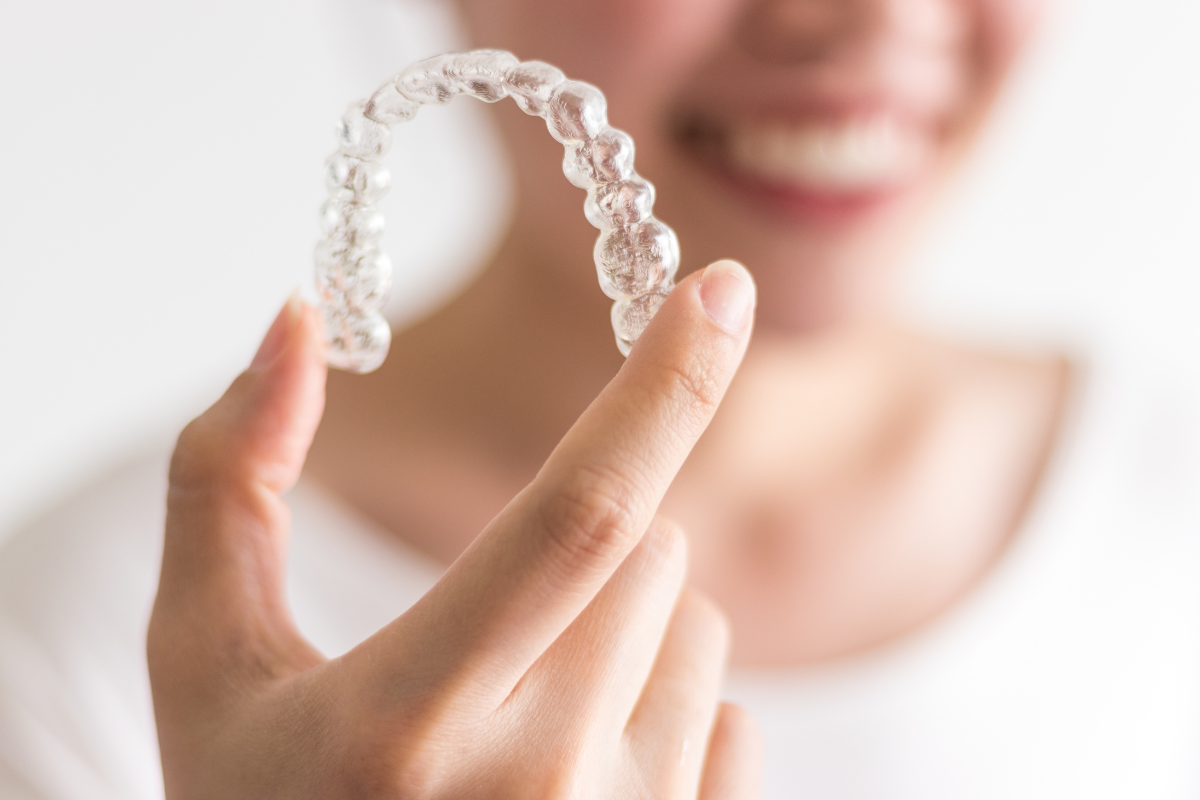
Crowded teeth can make it difficult to clean between teeth, affect your bite, and leave you feeling self-conscious about your smile. If you’re considering orthodontic treatment, you may be wondering whether braces can straighten overlapping teeth without removing any permanent teeth.
The good news is that many cases of crowded teeth can be treated without tooth extraction, depending on the amount of space available, your bite, and the position of your teeth and jaws. However, not every patient is a candidate for non-extraction treatment. An orthodontist needs to evaluate your individual needs before recommending an approach.
For anyone researching braces in Pittsburgh, understanding how orthodontists create space can help you prepare for a consultation and make a more informed decision about treatment.
At Sepic & Madison Orthodontics, treatment planning should start with your specific alignment concerns, oral health, and long-term smile goals—not a one-size-fits-all approach. Here’s what to know about straightening crowded teeth without extracting permanent teeth.
What Causes Crowded Teeth?
Dental crowding occurs when there isn’t enough room in the jaw for all the teeth to align properly. As a result, teeth may overlap, twist, sit out of position, or become difficult to clean.
Crowding can develop for several reasons, including:
- Limited space in the jaw: The available space may be too small for the size or number of teeth.
- Genetics: Jaw size and tooth size can run in families.
- Early or delayed loss of baby teeth: Changes in the timing of tooth loss can affect how permanent teeth erupt.
- Eruption problems: Permanent teeth may come in at an angle or in an unexpected position.
- Shifting teeth: Teeth can move over time, particularly when retainers aren’t worn as directed after orthodontic treatment.
Crowding ranges from mild overlap involving one or two teeth to more significant alignment problems affecting several teeth and the bite.
The degree of crowding matters because it helps an orthodontist determine how much space is needed and which treatment options may be appropriate.
Can Braces Fix Crowded Teeth Without Tooth Extraction?
Yes, braces can correct many cases of crowded teeth without removing permanent teeth. The key is determining whether enough space can be created to align the teeth while maintaining a healthy bite and appropriate tooth positioning.
Braces use controlled pressure to move teeth gradually. However, simply moving teeth into a straighter position isn’t the only goal. An orthodontist must also consider how the upper and lower teeth fit together, gum health, facial balance, and the stability of the final result.
Depending on your needs, non-extraction orthodontic treatment may involve:
- Expanding the dental arches when appropriate.
- Creating small amounts of space between selected teeth.
- Moving teeth within the available supporting bone.
- Adjusting tooth positions to improve alignment and bite function.
For patients exploring orthodontic treatment in Pittsburgh, an examination with Sepic & Madison Orthodontics can help determine whether these approaches may work for their particular case.
How Can Orthodontists Create Space Without Extracting Teeth?
When teeth are crowded, the goal is to create enough room for proper alignment without pushing teeth beyond the limits of their supporting bone or compromising the bite. Several approaches may help, depending on the patient’s anatomy and treatment needs.
1. Interproximal reduction (IPR)
Interproximal reduction involves removing very small amounts of enamel from selected areas between teeth to create additional space. It is sometimes called enamel reduction or slenderizing.
An orthodontist may consider IPR when the amount of crowding is relatively limited, and the teeth can benefit from a small amount of additional room.
Potential benefits include:
- Creating small amounts of space without removing entire teeth.
- Helping certain teeth align more predictably.
- Improving tooth proportions when carefully planned.
IPR isn’t appropriate for every patient. The amount of enamel that can safely be removed is limited, and the orthodontist must consider tooth shape, enamel thickness, and overall oral health.
2. Arch expansion
Arch expansion involves widening the dental arch to create more room for crowded teeth. In some cases, an orthodontist may recommend an appliance such as a palatal expander, particularly for a growing child or teenager with a narrow upper jaw.
The American Association of Orthodontists explains that expanders can help address a narrow upper jaw, certain crossbites, and some cases of crowding. Whether expansion is suitable depends on the patient’s growth and anatomy.
It’s important to distinguish between widening the dental arch and expanding the underlying jawbone. These are not the same process, and the appropriate approach depends on the patient’s age and individual needs.
Expansion also has limits. Simply making the arch wider isn’t necessarily the right answer if it would move teeth outside their healthy supporting structures or create an unstable result.
3. Repositioning teeth within the available space
Sometimes, crowded teeth can be aligned by carefully adjusting their positions and angles. Braces apply controlled forces through brackets and wires to guide teeth toward their planned positions.
In suitable cases, this movement can help use the existing space more efficiently. However, the orthodontist must consider the entire bite rather than focusing only on the visible front teeth.
The aim is to achieve alignment that works with the upper and lower teeth, not merely to make the teeth appear straighter.
4. Using additional orthodontic appliances
Some patients may benefit from appliances used alongside braces. These devices can help manage space, guide tooth movement, or address certain jaw and bite problems.
The choice depends on the specific issue being treated. An appliance that works well for a growing child may not be suitable for an adult whose jaw growth is complete.
At Sepic & Madison Orthodontics, our orthodontic services include traditional braces and Invisalign treatment. The appropriate option depends on your alignment concerns and the treatment plan recommended after an evaluation.
When Are Tooth Extractions Necessary for Braces?
Although many patients can achieve good results without removing permanent teeth, extraction remains an important treatment option in some cases.
An orthodontist may recommend removing one or more teeth when the available space is insufficient to align the remaining teeth safely and predictably.
Common considerations include:
- Severe crowding: There may be considerably more tooth material than the available space can accommodate.
- Protruding teeth: The front teeth or lips may project forward, and creating space can help improve their position.
- Bite problems: The way the upper and lower teeth meet may require a treatment plan that includes extractions.
- Limits of the supporting bone: Moving teeth too far outside their supporting bone can increase the risk of gum recession and other periodontal problems.
- Overall facial balance: Tooth position and lip support may influence which treatment approach is most appropriate.
Research on orthodontic extraction recommendations shows that decisions vary with the severity and location of crowding, among other clinical factors. There is no single crowding measurement that determines the right treatment for every patient.
An extraction recommendation doesn’t automatically mean a case is unusually complicated or that the orthodontist is choosing an unnecessarily aggressive approach. In some situations, it may offer a more appropriate way to achieve a healthy bite and stable alignment.
Likewise, avoiding extraction shouldn’t be treated as the primary goal if doing so would compromise the treatment outcome.
Braces Without Extractions vs. Braces With Extractions
Both approaches can be appropriate. The difference lies in how the orthodontist creates the space needed to align the teeth.
| Consideration | Without extractions | With extractions |
| Space creation | May use IPR, expansion, or tooth repositioning | Uses space created by removing selected teeth |
| Typical suitability | Cases where sufficient space can be created safely | Cases with substantial crowding or other relevant concerns |
| Tooth position | Must remain within appropriate anatomical limits | Space can allow greater control of tooth position and protrusion |
| Treatment planning | Depends on crowding, bite, and jaw anatomy | Depends on the same factors, plus the planned use of extraction spaces |
| Final outcome | Depends on the individual treatment plan and compliance | Depends on the individual treatment plan and compliance |
Neither option is universally better. The right decision is the one that best addresses the patient’s alignment, bite, oral health, and long-term stability.
Does Age Affect Whether You Can Avoid Tooth Extraction?
Age can influence treatment planning, particularly when jaw growth is still occurring.
Children and younger teenagers
A child’s teeth and jaws are still developing, which may provide opportunities to guide eruption or address certain jaw-width problems. Early evaluation can help an orthodontist determine whether treatment is needed immediately or whether monitoring is more appropriate.
Not every child needs early treatment, and starting earlier doesn’t guarantee that permanent tooth extractions will be avoided later.
Older teenagers
Many older teenagers have most or all of their permanent teeth. The orthodontist can evaluate the existing space, bite, tooth positions, and remaining growth to determine whether a non-extraction approach is realistic.
Adults
Adults can receive orthodontic treatment, but their jawbones are no longer growing. Treatment must work within their existing anatomy, and gum health becomes particularly important when planning tooth movement.
Some adults with mild or moderate crowding may be candidates for treatment without extractions. Others may benefit from extraction-based treatment, depending on their bite and tooth positions.
The important point: Age alone doesn’t determine whether extractions are necessary. A clinical examination is needed to assess the available options.
What Happens During an Orthodontic Evaluation?
If you’re considering braces for crowded teeth, an orthodontic consultation can help clarify which treatment options are appropriate for you.
During an evaluation, the orthodontist may:
- Examine your teeth and bite. This helps identify crowding, overlapping teeth, jaw alignment concerns, and how the upper and lower teeth fit together.
- Review dental and medical history. Previous orthodontic treatment, gum health, dental restorations, and other relevant factors can affect treatment planning.
- Take diagnostic records when needed. Photographs, digital scans, and appropriate X-rays can help assess tooth positions, available space, and supporting structures.
- Discuss treatment options. Depending on the findings, the orthodontist can explain whether braces without extractions are feasible or whether removing teeth may provide a better outcome.
- Explain the expected treatment process. You can discuss the estimated timeline, follow-up appointments, and the importance of retainers after treatment.
At Sepic & Madison Orthodontics, our team provides orthodontic care for children, teens, and adults in the Pittsburgh area. We can help you understand your options and what to expect before deciding how to proceed.
Frequently Asked Questions
1. Can braces straighten severely crowded teeth without removing teeth?
Sometimes, but it depends on the severity of the crowding, jaw anatomy, bite, and available space. Severe crowding may require extractions to achieve a healthy, stable result.
2. Can Invisalign fix crowded teeth without extractions?
Invisalign can treat many cases of crowding, but it doesn’t eliminate the need for extractions in every case. The same anatomical and bite considerations apply when choosing between clear aligners and braces.
3. Does avoiding tooth extraction make braces treatment faster?
Not necessarily. Treatment time depends on the complexity of the case, the amount of tooth movement required, and patient compliance. Avoiding extractions doesn’t automatically shorten treatment.
4. Will my teeth become loose if braces move them into a crowded area?
Some temporary tooth mobility is a normal part of orthodontic movement. However, moving teeth beyond their healthy supporting structures can create problems. An orthodontist must plan tooth movement carefully and monitor your oral health throughout treatment.
5. How do I know if I need extractions before getting braces?
An orthodontist must assess your crowding, bite, tooth positions, and supporting bone. Diagnostic records may help determine whether space can be created safely without removing permanent teeth.
Find Out Which Braces Treatment Is Right for You in Pittsburgh
Crowded teeth don’t automatically mean you’ll need tooth extractions. Depending on your individual needs, braces may be able to align your teeth using methods such as interproximal reduction, appropriate arch expansion, or carefully planned tooth movement.
The best way to understand your options is to have your teeth and bite evaluated by an orthodontist who can explain the benefits and limitations of each approach.
If you’re considering braces in Pittsburgh, Sepic & Madison Orthodontics offers personalized orthodontic care for children, teens, and adults. Our team can assess your alignment concerns, discuss available treatment options, and help you understand the next steps toward a healthier, more confident smile.
Ready to explore your options? Contact Sepic & Madison Orthodontics to schedule an orthodontic consultation.