Peters Township 724-942-4229

What Makes Modern Braces More Comfortable Than Older Versions?
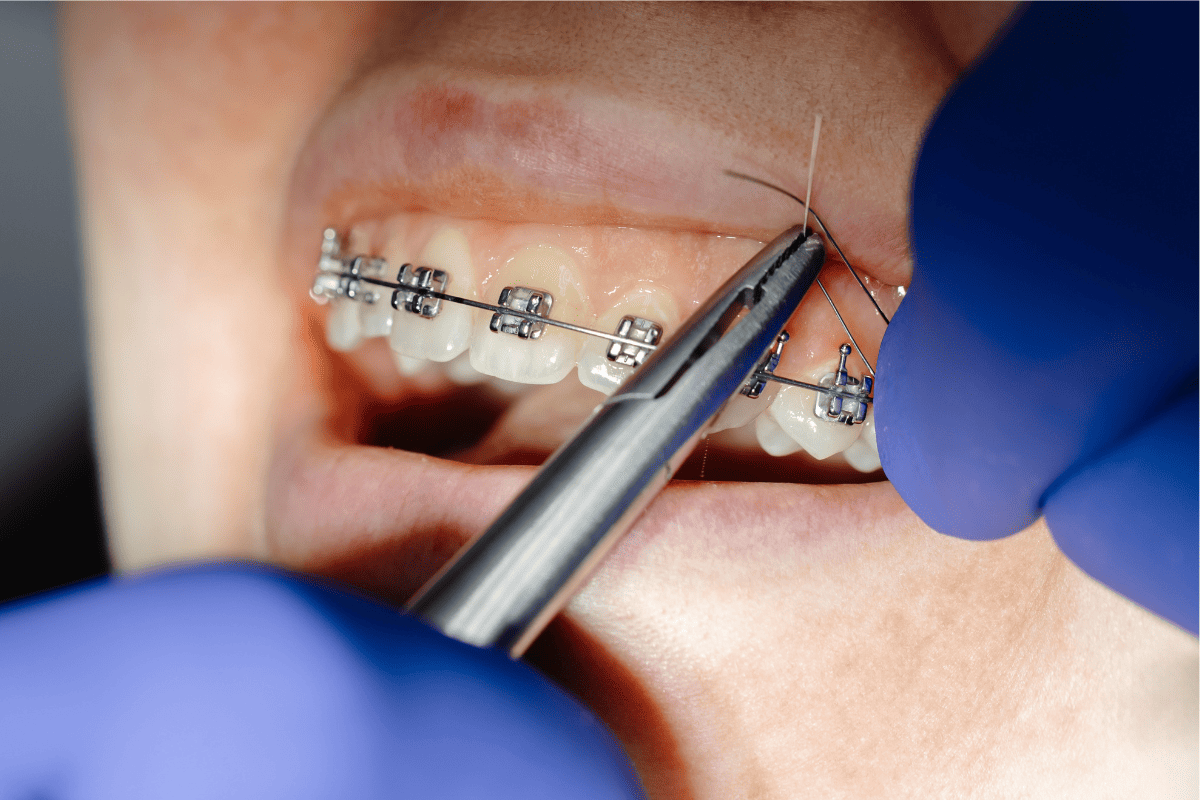
Modern braces are more comfortable because they use smaller brackets, advanced heat-activated wires, and highly precise treatment planning. These innovations reduce irritation, create gentler tooth movement, and allow orthodontists to achieve predictable results with less pressure than older brace systems.
Today, these aligners are smaller, more precise, and designed with patient comfort in mind. Advances in materials, treatment planning, and orthodontic technology allow teeth to move more efficiently while reducing many of the inconveniences associated with older systems. For people who want a straighter smile, understanding these improvements can make the decision to begin treatment much easier.
At Sepic Orthodontics – Peters Township, Dr. Christopher Sepic and Dr. Craig Madison help patients achieve healthier, more confident smiles using advanced orthodontic techniques. The information in this article reflects the same principles used in everyday treatment planning to help patients understand how modern orthodontics improves comfort and treatment outcomes.
If you’re considering orthodontic care, we encourage you to visit our dental office for a personalized evaluation.
What Makes Modern Braces More Comfortable Than Older Versions?
Modern aligners are designed to move teeth efficiently while minimizing unnecessary pressure on the teeth, gums, and surrounding tissues. Improvements in bracket design, wire technology, and digital treatment planning have transformed the orthodontic experience for both teens and adults.
Unlike braces from previous decades, today’s systems focus on comfort without sacrificing effectiveness. Many patients are surprised by how manageable treatment feels compared to what they expected.
Key Improvements That Have Enhanced Comfort
- Smaller, lower-profile brackets
- Smoother bracket surfaces
- Advanced heat-activated archwires
- More precise treatment planning
- Reduced friction during tooth movement
- Improved customization for individual patients
- Better monitoring throughout treatment
- More efficient tooth movement
Modern Braces vs. Traditional Braces: What Has Changed?
Both modern and older aligners share the same goal of straightening teeth, but the technology behind them has evolved considerably. Today’s systems are engineered to improve comfort, efficiency, and precision throughout treatment.
| Feature | Older Braces | Modern Braces |
| Bracket Design | Larger and bulkier | Smaller and smoother |
| Wire Technology | Traditional stainless steel | Heat-activated nickel titanium |
| Pressure Applied | Stronger forces | More gradual forces |
| Soft Tissue Irritation | More common | Less common |
| Treatment Precision | Limited customization | Highly customized |
| Patient Comfort | Moderate | Significantly improved |
While these orthodontic appliances still require an adjustment period, most patients today experience a much different treatment journey than patients did several decades ago.
How Have Modern Bracket Designs Improved Comfort?
Modern brackets are smaller, smoother, and less noticeable than older versions. These improvements help reduce irritation to the lips, cheeks, and surrounding soft tissues.
Clinical Insight
Older brackets often protruded further from the teeth and had sharper edges. This sometimes resulted in frequent rubbing against the inside of the mouth.
Today’s orthodontic brackets are designed with patient comfort in mind. Their streamlined design allows patients to adapt more quickly while reducing unnecessary friction.
Benefits of modern bracket design include:
- Less cheek and lip irritation
- Improved speech adaptation
- Easier cleaning around braces
- Better overall comfort during treatment
How Do Modern Orthodontic Wires Make Treatment Easier?
Modern archwires apply gentler, more consistent forces than traditional wires. This allows teeth to move efficiently while reducing excessive pressure.
Clinical Insight
One of the most significant advances in orthodontics is the use of heat-activated nickel-titanium wires. These wires respond to body temperature and gradually guide teeth into position.
Instead of creating sudden, forceful movements, they provide more controlled pressure.
This can help:
- Reduce post-adjustment soreness
- Improve treatment efficiency
- Create more predictable tooth movement
- Enhance overall comfort
Patients considering braces in McMurray are often surprised to learn that wire technology plays such a significant role in the treatment experience.
How Does Custom Treatment Planning Improve Comfort?
Modern orthodontics is more comfortable because treatment plans are customized for each patient’s teeth, bite, and jaw relationship. Personalized planning reduces unnecessary tooth movement and helps treatment progress more efficiently.
Clinical Insight
Every smile is unique. Digital imaging and detailed orthodontic records allow orthodontists to evaluate:
- Tooth position
- Bite alignment
- Jaw development
- Crowding severity
- Spacing concerns
- Overall oral health
By understanding these factors before treatment begins, orthodontists can create a highly targeted treatment plan that improves both comfort and outcomes.
Why Do Many People Still Think This Orthodontic Treatment Is Painful?
Many people base their expectations on stories from parents, relatives, or friends who wore these aligners decades ago. Modern orthodontic technology has improved significantly since then.
Clinical Insight
Older options often involved:
- Larger metal components
- Less sophisticated wires
- More friction between brackets and wires
- More forceful adjustments
Today’s systems use advanced materials that create more controlled tooth movement. While temporary tenderness can still occur, most patients find the experience far more manageable than they expected.
How Does Modern Orthodontics Fit Into Everyday Life?
Modern aligners are designed to support active lifestyles while minimizing disruptions to daily routines. Patients can continue participating in school, sports, social activities, and community events throughout treatment.
Clinical Insight
Families throughout the Peters Township area often balance school activities, athletic programs, community events, and busy work schedules. Modern ones are designed to fit comfortably into these routines.
Whether you’re enjoying a meal at a favorite local restaurant, spending time around Peters Lake Park, or attending community events throughout the year, modern orthodontic treatment is designed to work with your lifestyle rather than interrupt it.
Patients frequently report that these aligners become a normal part of daily life much faster than anticipated.
How Can Straight Teeth Improve Oral Health?
Straight teeth are often easier to clean and maintain than crowded or overlapping teeth. Proper alignment can contribute to better long-term oral health.
Clinical Insight
When teeth are crowded, food particles and plaque can accumulate in hard-to-reach areas.
Orthodontic treatment may help:
- Improve brushing effectiveness
- Support healthier gums
- Reduce plaque accumulation
- Improve bite function
- Minimize uneven tooth wear
- Promote long-term oral health
The benefits of orthodontic treatment extend well beyond appearance.
What Should You Expect During the Consultation?
A consultation helps determine whether orthodontic treatment is appropriate and which option may work best for your smile. It also allows the orthodontist to identify concerns affecting comfort, function, or long-term oral health.
Clinical Insight
During a comprehensive evaluation, your orthodontic team may:
- Review your dental and medical history
- Take digital images and diagnostic records
- Assess your bite relationship
- Evaluate crowding and spacing concerns
- Discuss treatment goals
- Explain expected treatment timelines
This detailed assessment helps ensure recommendations are based on your unique needs.
Frequently Asked Questions
Are modern braces less painful than older braces?
Modern braces are generally more comfortable because they use smaller brackets and advanced archwires. These technologies apply gentler, more consistent pressure while still moving teeth effectively throughout treatment.
How long does discomfort last after adjustments?
Most patients experience mild tenderness for a few days following an adjustment appointment. The discomfort usually improves quickly as the teeth adapt to the new orthodontic forces.
Can adults benefit from modern braces?
Yes. Adults frequently choose orthodontic treatment to improve smile appearance, bite function, and oral health. Modern braces are designed to fit comfortably into professional and social lifestyles.
Are metal braces still an effective treatment option?
Modern metal braces remain one of the most reliable orthodontic solutions available. Today’s versions are smaller, more comfortable, and more efficient than older generations of braces.
Will braces affect my speech?
Some patients notice minor speech changes during the first few days after placement. Most people adapt quickly as their tongue becomes accustomed to the orthodontic appliances.
Can I continue playing sports while wearing braces?
Yes. Many athletes successfully wear braces throughout treatment. An orthodontic mouthguard can help protect both the teeth and orthodontic appliances during physical activities.
How do I know if I need braces?
An orthodontic evaluation can determine whether treatment is appropriate for your situation. Issues such as crowding, spacing, bite concerns, and jaw alignment may indicate a need for orthodontic care.
Discover How Comfortable Modern Orthodontics Can Be
Every smile responds differently to orthodontic treatment. Factors such as tooth position, bite alignment, age, jaw development, and overall oral health all influence which treatment approach may provide the most comfortable and effective results.
If you are considering braces in McMurray and want to learn which orthodontic option may be right for your smile, the team at Sepic Orthodontics – Peters Township is here to help. Book an appointment for a personalized diagnostic evaluation. A comprehensive assessment can help you better understand your unique orthodontic needs and the most effective path toward a healthier, more confident smile.