Peters Township 724-942-4229

Common Bite Issues and How an Orthodontist Can Treat Them
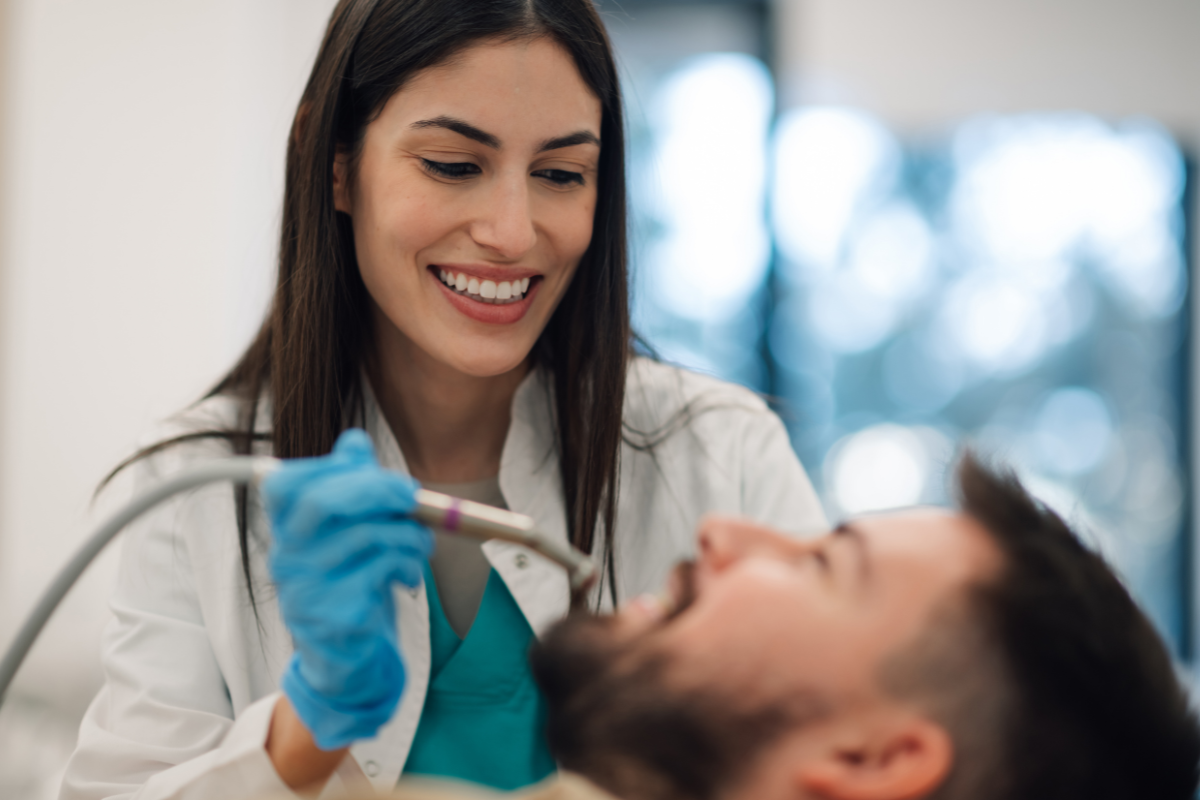
Do you notice your child or yourself having difficulty chewing, speaking, or experiencing jaw discomfort? Misaligned teeth, also known as bite issues or malocclusions, can create more than just aesthetic concerns. They may affect oral health, lead to jaw strain, and cause uneven wear on teeth over time. Many families in Pittsburgh often underestimate the importance of correcting bite problems early, but timely orthodontic care can prevent more complex dental issues in the future.
For patients seeking professional guidance, consulting a trusted orthodontist in Pittsburgh is crucial. At Sepic & Madison Orthodontics, the team evaluates each patient’s bite in detail and develops individualized treatment plans to address alignment, function, and cosmetic concerns. Understanding common bite issues and available treatments helps families make informed decisions and ensures children and adults achieve healthier, more functional smiles.
Early intervention not only enhances appearance but also reduces the risk of long-term dental complications. Crooked or crowded teeth can trap food and plaque, leading to cavities and gum disease. Properly aligned teeth make oral hygiene easier and more effective, supporting long-term oral health.
Why Patients Consider Orthodontic Treatment
Patients pursue orthodontic care for a combination of functional, cosmetic, and health-related reasons:
- Difficulty Chewing or Biting: Misaligned teeth can interfere with efficient chewing, affecting digestion and comfort.
- Jaw Discomfort or TMJ Issues: Uneven bites can strain the jaw joint, causing pain, headaches, or clicking sounds.
- Speech Challenges: Bite misalignment may make certain sounds harder to pronounce.
- Aesthetic Concerns: Straightening teeth can boost confidence and improve self-esteem.
- Preventive Oral Health: Proper alignment reduces the risk of cavities, gum disease, and excessive tooth wear.
Families in Pittsburgh recognize that addressing bite issues early simplifies treatment, shortens duration, and often prevents the need for more invasive procedures later in life.
How an Orthodontist Treats Bite Issues
Orthodontic professionals use specialized techniques and appliances to correct bite alignment, restore function, and improve the aesthetics of the smile. Here’s a clear step-by-step process:
Step 1: Comprehensive Examination
The orthodontic surgeon begins with a thorough assessment, including X-rays, photographs, and dental impressions. This helps analyze tooth positioning, jaw alignment, and bite function to create a complete picture of oral health.
Step 2: Customized Treatment Plan
Based on the examination, a personalized treatment plan is designed. The orthodontic professional may recommend braces, clear aligners, retainers, or other appliances to address specific bite problems and guide teeth into proper alignment.
Step 3: Appliance Placement
Braces involve bonding brackets to the teeth and connecting them with wires to apply gentle pressure for realignment. Clear aligners, a discreet alternative, are custom-fitted trays that gradually move teeth into position when worn consistently.
Step 4: Ongoing Monitoring
Regular appointments allow the orthodontic professional to adjust appliances, monitor progress, and ensure treatment is moving according to plan. Adjustments are critical to achieving optimal results efficiently and safely.
Step 5: Retention
Once treatment goals are achieved, retainers maintain proper alignment and prevent relapse. Proper retainer use ensures long-lasting results and protects your investment in oral health.
Common Bite Issues Treated By An Orthodontic Professional
Orthodontists address a wide range of bite concerns in children, teens, and adults, including:
Overbite
An overbite occurs when the upper front teeth extend excessively over the lower teeth. This can result in jaw discomfort, tooth wear, and even gum irritation. Treatment usually involves braces or aligners to gently reposition the teeth.
Underbite
In an underbite, the lower teeth extend beyond the upper teeth. This can cause chewing difficulties and facial imbalance. Severe cases may require combined orthodontic and surgical treatment to correct jaw alignment.
Crossbite
A crossbite happens when some upper teeth sit inside the lower teeth. Untreated, this can cause uneven wear on teeth and contribute to gum recession. Early orthodontic intervention helps prevent these issues and guides proper jaw growth.
Open Bite
An open bite occurs when the front teeth don’t touch when the mouth is closed, creating gaps. This affects biting efficiency and can impact speech. Braces or aligners gradually close the gap and restore proper function.
Crowded or Spaced Teeth
Crowding makes it difficult to clean teeth effectively, increasing the risk of decay and gum problems. Conversely, excessive spacing can affect both appearance and bite function. Orthodontic treatment aligns teeth for optimal oral hygiene and aesthetics.
Benefits of Orthodontic Treatment
Investing in professional orthodontic care provides multiple advantages:
- Improved Oral Function: Correct bite alignment enhances chewing, speaking, and overall dental function.
- Enhanced Aesthetics: Straighter teeth boost confidence and contribute to a pleasing smile.
- Reduced Tooth Damage: Properly aligned teeth experience less wear, chipping, and enamel erosion.
- Better Oral Hygiene: Aligned teeth are easier to brush and floss, reducing the risk of cavities and gum disease.
- Jaw Comfort: Correct alignment decreases TMJ strain and associated discomfort.
- Long-Term Results: With adherence to treatment and use of a retainer, benefits can last a lifetime.
Who Is a Good Candidate for Orthodontic Treatment?
Orthodontic treatment is suitable for most children, teens, and adults with misaligned bites. Ideal candidates include:
- Individuals experiencing jaw discomfort, speech challenges, or uneven tooth wear
- Patients with crooked, crowded, or spaced teeth
- Those seeking both functional and cosmetic improvements
Severe jaw abnormalities may sometimes require combined treatment with oral surgery. A professional evaluation ensures that each patient receives the most appropriate and effective approach.
Common Questions About Orthodontic Care
How long does treatment last?
Treatment length depends on the complexity of the bite issue and the appliance used. Most cases take 12–24 months, with regular appointments to monitor progress and make adjustments.
Are braces the only option?
No. Clear aligners, expanders, and other appliances may be suitable alternatives, depending on age, severity, and lifestyle preferences.
Will orthodontic treatment hurt?
Mild discomfort is common, particularly after adjustments. Modern techniques minimize pain, and over-the-counter remedies can help alleviate temporary sensitivity.
How often should patients visit the orthodontist?
Appointments are typically scheduled every 4–8 weeks for monitoring and adjustments. Your orthodontic professional will provide a customized schedule based on your treatment plan.
Choosing a Trusted Orthodontist in Pittsburgh
Selecting a trusted orthodontist ensures safe, effective, and comfortable treatment. At Sepic & Madison Orthodontics, patients in Pittsburgh, Pennsylvania, receive personalized care with attention to both function and aesthetics. Their team designs treatment plans that align with each patient’s needs, ensuring the best outcomes for a healthier, more confident smile.
Working with a professional provider ensures that appliances are applied correctly, progress is monitored consistently, and treatment goals are met efficiently. Families in Pittsburgh benefit from a supportive environment where patients of all ages feel comfortable and informed throughout their orthodontic journey.
Why Timely Orthodontic Treatment is Key to a Healthier Smile
Bite issues are common but treatable with timely intervention. Consulting an orthodontist in Pittsburgh that residents trust, such as our Sepic & Madison Orthodontics, can prevent long-term dental complications, improve oral health, and enhance smile aesthetics.
Whether you or your child has an overbite, underbite, crossbite, or crowded teeth, orthodontic treatment provides a safe and effective solution. Scheduling a consultation today allows the team to evaluate individual needs and create a customized plan for a healthier, more functional smile. Investing in orthodontic care now helps avoid future discomfort, costly repairs, and unnecessary complications.
Take the first step toward a straighter, more confident smile by contacting your local orthodontist in Pittsburgh today.