Peters Township 724-942-4229

Do You Really Need to Wear Retainers After Braces?
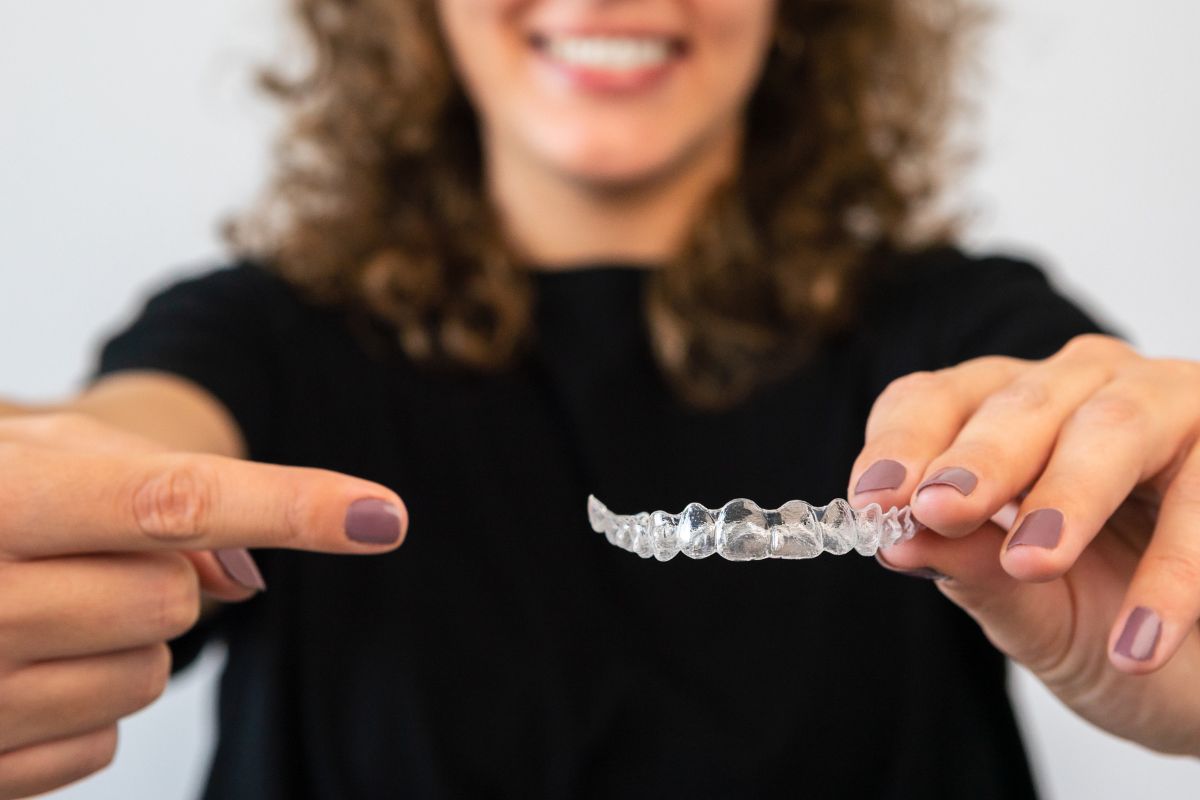
Getting your braces removed is an exciting milestone. After months or even years of commitment to your orthodontic treatment, you’re finally able to see your beautifully aligned teeth. However, your orthodontic journey doesn’t end there. One of the most important steps in maintaining your results is wearing a retainer. But why are retainers necessary, and how do they work? Let’s explore this in detail.
Why Are Retainers Important?
Retainers play a vital role in preserving the results of your orthodontic treatment. After braces or aligners have done their job, your teeth need time to settle into their new positions. Without retainers, your teeth might shift back to their original alignment, a process called relapse.
The reason for this is simple: teeth are held in place by soft tissues, including the gums and ligaments. These tissues take time to adjust to the new alignment of your teeth. Wearing retainers ensures your teeth remain stable during this period of adjustment.
What Happens If You Don’t Wear a Retainer?
Skipping your retainer may seem tempting, but it can lead to undesirable consequences. Here’s what could happen if you neglect to wear it:
- Shifting Teeth
Teeth naturally move over time, even after braces. Without a retainer, they may begin to drift back to their previous positions. This can undo the hard work you put into your orthodontic treatment. - Misalignment Issues
Relapse can cause teeth to become crooked again, leading to potential bite problems or uneven wear on your teeth. - Additional Treatment Costs
If your teeth shift significantly, you might need further orthodontic treatment to correct the relapse. This could mean more time, effort, and expense to restore your smile.
Types of Retainers
There are two primary types of retainers: removable and fixed. Each serves the same purpose but works differently to maintain your orthodontic results.
1. Removable Retainers
- Essix Retainers: These are clear plastic retainers that fit snugly over your teeth, similar to aligners. They are discreet and easy to wear.
- Hawley Retainers: Made of acrylic and metal wires, these retainers are durable and can be adjusted by your orthodontist if needed.
2. Fixed Retainers
These retainers consist of a thin wire bonded to the back of your teeth. They are permanent and provide consistent support to prevent your teeth from shifting.
How Long Do You Need to Wear a Retainer?
The duration of retainer use varies from person to person, depending on individual needs and the type of treatment received. Generally, orthodontists recommend the following:
- Initial Phase
For the first few months after braces are removed, you’ll likely need to wear your retainer full-time (except when eating or cleaning your teeth). - Maintenance Phase
After the initial phase, most people transition to wearing their retainers only at night. This routine might be necessary for several years or even a lifetime to prevent relapse.
Caring for Your Retainer
Proper care is essential to ensure your retainer remains effective and lasts as long as possible. Here are some tips for maintaining your retainer:
- Clean Regularly
Wash your retainer daily using a soft toothbrush and mild soap or retainer cleaner. Avoid using hot water, as it can warp the material. - Store Safely
When not in use, store your retainer in a protective case to prevent damage or loss. - Avoid Damage
Keep your retainer away from pets, heat sources, and harsh chemicals to avoid breakage or distortion.
Do Retainers Ever Stop Being Necessary?
While you might be able to reduce how often you wear your retainer over time, it’s a common misconception that retainers become unnecessary. Teeth can shift at any age, even years after orthodontic treatment. Wearing your retainer periodically, as advised by your orthodontist, is a lifelong investment in maintaining your smile.
When Should You Replace a Retainer?
Retainers are durable but not indestructible. Over time, they may become worn, cracked, or lose their fit. If this happens, it’s crucial to replace your retainer promptly to avoid any shifting of your teeth. Regular check-ups with your orthodontist can help ensure your retainer remains in good condition.
Tips for Success with Retainers
Here are some practical tips to help you stay consistent with your retainer use:
- Set Reminders
If you’re prone to forgetting, set a daily reminder to wear your retainer. - Prioritize Comfort
If your retainer feels uncomfortable or tight, consult your orthodontist to ensure it fits properly. - Make It a Habit
Incorporate wearing your retainer into your daily routine, like brushing your teeth or going to bed.
Protect Your Smile After Braces
Wearing your retainer as recommended is an important part of maintaining the results you worked hard to achieve with orthodontic treatment. If you have questions about your retainer, notice your teeth shifting, or are considering braces, the team at Sepic & Madison Orthodontics can help you understand your options.
With convenient offices serving the area, patients can receive personalized orthodontic care close to home. Whether you’re looking for braces in McMurray, braces in Uniontown, or braces in Pittsburgh, our orthodontic team is here to help you maintain a healthy, confident smile.
Schedule a consultation with Sepic & Madison Orthodontics to take the next step in your smile journey.