Peters Township 724-942-4229

How Long Do You Need Braces? A Comprehensive Guide
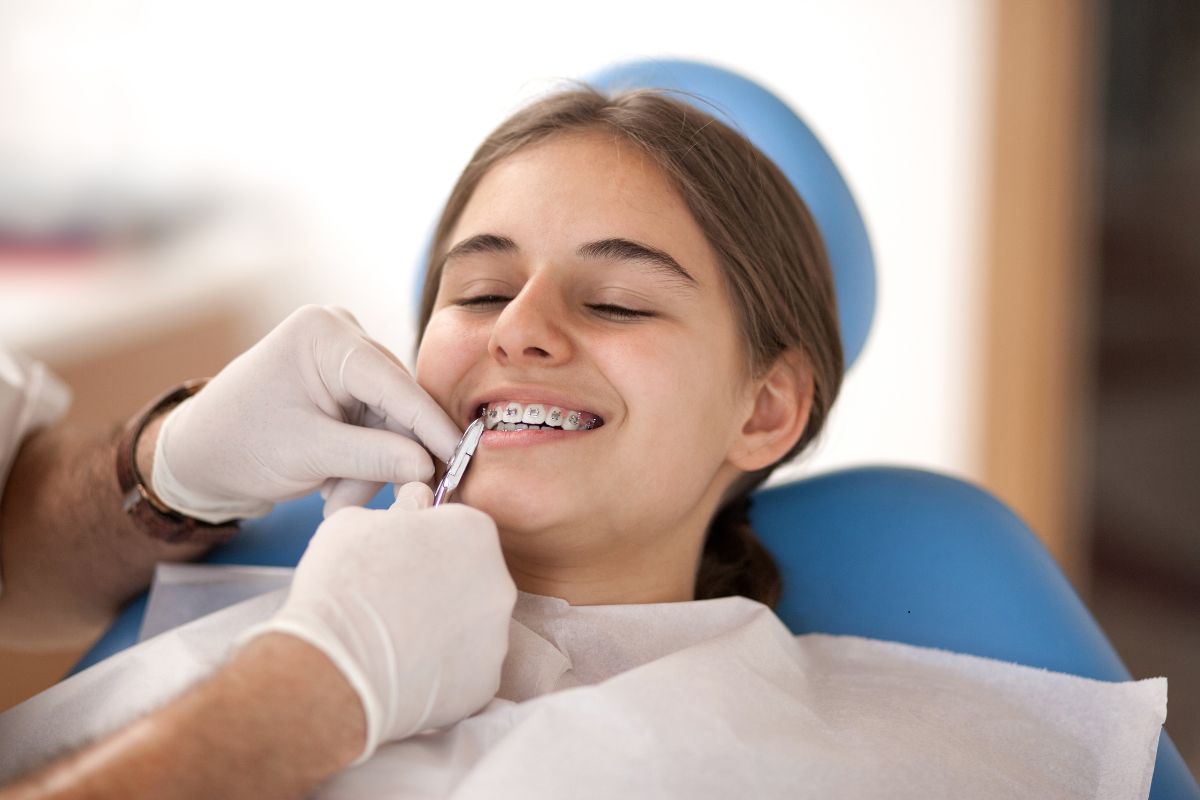
Getting braces can be an exciting but nerve-wracking experience. Many people, especially parents considering braces for their children, often wonder how long the treatment will last. While the timeline for braces varies from person to person, understanding the factors that influence this duration can help set realistic expectations. In this guide, we will discuss the various aspects of braces treatment, from typical timelines to factors affecting duration, so you can be well-informed as you begin this journey.
Understanding the Average Treatment Time
On average, most people wear braces for 18 to 24 months. However, this is just a general estimate. Some individuals may require braces for a shorter period, while others may need them for several years. Factors such as age, severity of the dental issue, and the type of braces used can significantly affect treatment time.
For instance, children and teenagers often respond more quickly to braces because their jaws and teeth are still growing. As a result, younger patients may complete their treatment in a shorter timeframe than adults. In contrast, adults may experience longer treatment times due to the stability of their teeth and jaw structure.
Factors That Influence Treatment Duration
- Severity of the Dental Issue: The complexity of your orthodontic problem plays a significant role in how long you’ll need braces. Common issues that braces address include overcrowding, gaps between teeth, and misalignment. More severe cases may take longer to correct, while mild issues may require less time.
- Age of the Patient: As mentioned earlier, age can impact treatment duration. Children and teens tend to have more flexible bone structures, allowing for faster tooth movement. Adults, on the other hand, may take longer because their bones are fully developed, making the process slower.
- Type of Braces Used: The type of braces you choose can also influence the treatment time. Traditional metal braces, clear braces, and lingual braces all have different characteristics. While traditional braces are generally effective and can be quicker for many cases, clear aligners may take longer for certain complex issues.
- Compliance with Orthodontist Instructions: Following your orthodontist’s recommendations can affect the length of your treatment. This includes wearing rubber bands, maintaining regular appointments, and adhering to any dietary restrictions. If you fail to comply with these guidelines, your treatment may take longer than anticipated.
- Personal Dental Health: Your dental health before starting treatment also matters. Conditions like gum disease or cavities need to be addressed before braces can be applied. Ensuring optimal dental health can help avoid delays in your treatment.
The Braces Process: What to Expect
Understanding the braces process can help you anticipate what’s ahead. Here’s a step-by-step overview of what to expect during your treatment:
- Initial Consultation: During your first visit to a Pittsburgh orthodontist, you’ll discuss your concerns and undergo a thorough examination. This may include X-rays and impressions of your teeth to help the orthodontist develop a customized treatment plan.
- Placement of Braces: Once you’ve decided to proceed, your orthodontist will place the braces on your teeth. This process typically takes about 1-2 hours. You may experience some discomfort after getting braces, but this usually subsides within a few days.
- Regular Adjustments: After your braces are in place, you’ll need to visit your orthodontist regularly for adjustments. These appointments typically occur every 4-8 weeks. During these visits, your orthodontist will tighten the braces and monitor your progress.
- Wearing Retainers: Once your braces are removed, you will likely need to wear a retainer to maintain your new smile. Retainers help ensure that your teeth stay in their new positions. Depending on your specific case, you may need to wear your retainer full-time initially, gradually transitioning to night time wear.
Tips for a Successful Braces Experience
Having braces can be a significant change, but there are ways to make the experience more comfortable and successful. Here are some tips to help you along the way:
- Maintain Good Oral Hygiene: Keeping your teeth clean while wearing braces is crucial. Brush your teeth after every meal and use floss or an interdental brush to clean around the brackets. Good oral hygiene helps prevent cavities and gum disease during treatment.
- Follow Dietary Restrictions: Some foods can damage braces or get stuck in them. Avoid sticky, hard, or chewy foods during your treatment. Your orthodontist will provide you with a list of foods to avoid, so be sure to follow it closely.
- Communicate with Your Orthodontist: If you experience discomfort, have questions, or notice any issues with your braces, don’t hesitate to reach out to your Pittsburgh orthodontist. Open communication helps ensure that your treatment progresses smoothly.
- Stay Committed to Appointments: Regular appointments are vital for successful treatment. Make sure to attend all scheduled visits and follow through on any recommended adjustments or treatments.
When to Consider Alternatives
While braces are a popular choice for correcting dental issues, they are not the only option. For some individuals, clear aligners may be a more suitable solution. Clear aligners are removable and often more comfortable than traditional braces, making them appealing for adults or teens who prefer a discreet treatment option. However, clear aligners may not be effective for all dental issues, so it’s essential to discuss this with your orthodontist.
Conclusion
Understanding how long you need braces and the factors affecting this timeline can help you feel more at ease with your orthodontic journey. While the average treatment duration is around 18 to 24 months, individual experiences can vary significantly. Remember to stay committed to good oral hygiene, follow your orthodontist’s instructions, and attend all appointments to ensure a successful outcome. With patience and care, you’ll be on your way to a beautiful, confident smile!
If you’re considering braces in Pittsburgh, reach out to a local Pittsburgh orthodontist for a consultation and to discuss the best options for your smile. Embrace the journey and look forward to the amazing results!