Peters Township 724-942-4229

Immediate Orthodontic Care for Braces and Aligner Issues
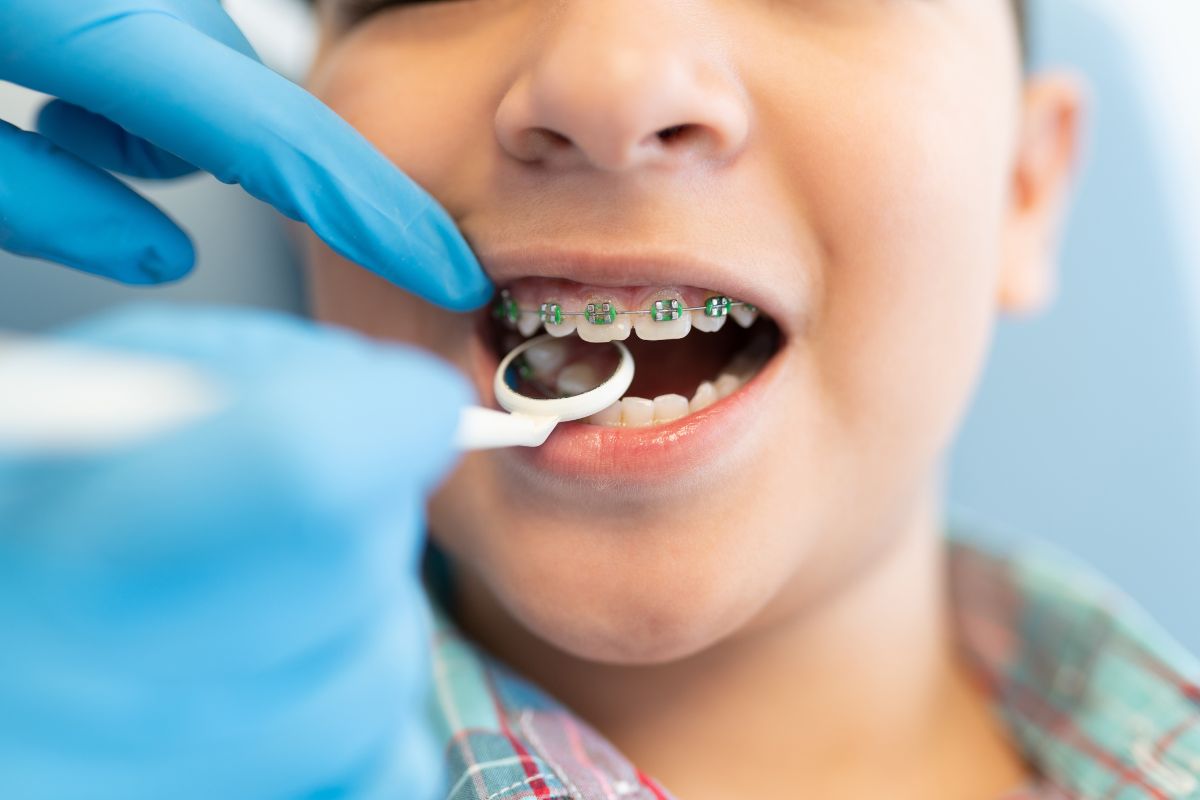
Orthodontic treatment is a long-term investment in your smile, but unexpected problems can happen along the way. A loose bracket, poking wire, or damaged aligner can quickly turn from a minor inconvenience into a painful distraction. Knowing how to recognize urgent issues and what steps to take next can help protect your progress and keep discomfort to a minimum.
Patients often assume orthodontic problems can wait until their next scheduled visit. In reality, certain issues need attention sooner rather than later. Understanding when to seek immediate orthodontic care—and what you can safely do at home—can make a meaningful difference in your comfort and treatment outcome.
At Sepic & Madison Orthodontics in Pittsburgh, PA, patients are encouraged to stay informed so small problems do not become bigger ones.
What Counts as an Orthodontic Emergency?
Not every braces or aligner issue is an emergency, but some situations should not be ignored. Immediate orthodontic care is generally needed when there is pain, injury, or a risk of treatment setbacks.
Common concerns that may require prompt attention include:
- Loose or broken brackets that interfere with chewing
- Wires that are bent, broken, or poking the cheeks or gums
- Swelling, bleeding, or sores caused by orthodontic appliances
- Lost or cracked aligners that affect fit and pressure
- Trauma to the mouth involving braces or aligners
While these problems may not always require same-day care, they should be addressed as soon as possible to avoid discomfort or delays in treatment.
Common Braces Issues That Need Attention
Traditional braces are durable, but daily activities like eating or playing sports can cause unexpected damage.
Loose or Broken Brackets
A bracket that comes loose can shift tooth movement off course. While one loose bracket may not seem serious, it can reduce the effectiveness of the entire system if left untreated.
Poking or Protruding Wires
As teeth move, wires can extend beyond the bracket and irritate soft tissues. This often causes soreness or small cuts inside the mouth, making eating and speaking uncomfortable.
Lost Rubber Bands or Separators
If elastic components fall out or separators shift, spacing and alignment goals may be affected. These pieces play a small but important role in overall treatment.
Temporary relief measures, such as orthodontic wax, may help at home, but ongoing issues should be evaluated by an orthodontist.
Aligner Problems That Shouldn’t Wait
Clear aligners are removable, but that does not mean issues can be ignored.
Cracked or Warped Aligners
Aligners that no longer fit properly may apply uneven pressure, which can slow or alter progress.
Lost Aligners
Skipping aligner wear for extended periods can allow teeth to shift backward. Replacements or adjusted timelines may be needed.
Sharp Edges or Fit Changes
Discomfort caused by rough edges or sudden tightness may indicate a problem with how the aligner is seating on the teeth.
Patients experiencing these concerns should reach out promptly for guidance rather than forcing an ill-fitting aligner to work.
What You Can Do at Home—Safely
Some orthodontic issues can be managed temporarily until professional care is available. Safe short-term steps include:
- Using orthodontic wax to cover sharp wires or brackets
- Rinsing with warm salt water to soothe irritated gums
- Keeping broken pieces if they fall out, for evaluation later
- Avoiding hard or sticky foods that could worsen the problem
It is important not to cut wires or attempt repairs on your own. These actions can cause injury or complicate future adjustments.
Why Prompt Care Matters
Delaying orthodontic care can lead to more than discomfort. Unresolved issues may extend treatment time, increase the risk of oral irritation, or affect final alignment results. Seeking help early helps maintain steady progress and reduces the chance of additional complications.
A qualified orthodontist can assess whether an issue needs immediate in-office treatment or can safely wait. For patients searching for an orthodontist in Pittsburgh, timely guidance is key to protecting both comfort and results.
When to Call for Immediate Help
You should contact an orthodontic office promptly if you experience:
- Persistent pain that does not improve
- Swelling, bleeding, or signs of infection
- Trauma to the face or mouth involving appliances
- Appliances that prevent normal eating or speaking
Patients looking for a Pittsburgh orthodontist should prioritize clear communication and timely support during unexpected situations.
Conclusion
Orthodontic treatment is designed to be steady and predictable, but occasional problems are part of the process. Recognizing which braces or aligner issues need immediate attention helps prevent discomfort and protects your progress. Small concerns can quickly escalate if ignored, while early care often keeps treatment on track.
By staying informed and responding promptly, patients can move through orthodontic treatment with fewer interruptions and greater peace of mind.
If you are experiencing discomfort or damage related to braces or aligners, reaching out for professional guidance is an important next step. The team at Sepic & Madison Orthodontics in Pittsburgh, PA is available to help patients understand their options and determine the right timing for care, ensuring treatment continues safely and smoothly.