Peters Township 724-942-4229

Invisalign After Braces: Is It Right for You?
Many adults are surprised to notice their teeth shifting years after wearing braces. You may have followed instructions carefully during treatment, only to find crowding, spacing, or bite issues returning over time. If this sounds familiar, you’re not alone. Tooth movement after braces is common, and modern orthodontic options make it easier to address than ever before.
Clear aligner therapy has become a popular solution for adults who want to correct changes discreetly. But is Invisalign after braces the right choice for you? Understanding why teeth shift and how aligners work can help you make an informed decision.
Why Teeth Can Shift After Braces
Orthodontic treatment straightens teeth by moving them into healthier positions, but those teeth still need long-term support. When retainers are not worn as recommended, teeth can gradually drift back toward their original alignment.
Other factors can also contribute to movement, including:
- Natural changes in jaw structure over time
- Grinding or clenching habits
- Tooth loss or dental work
- Aging and changes in gum support
Even patients who completed treatment successfully may experience minor to moderate shifting years later.
Can Clear Aligners Fix Teeth After Braces?
In many cases, yes. Clear aligners are often well-suited for patients who previously had braces and now want to correct relapse or minor alignment issues. Because the teeth have already been through orthodontic movement once, treatment may be shorter and more focused.
An experienced orthodontist evaluates factors such as bite alignment, tooth position, and overall oral health before recommending aligners. Not every case is the same, but many adults are excellent candidates.
How Invisalign After Braces Works
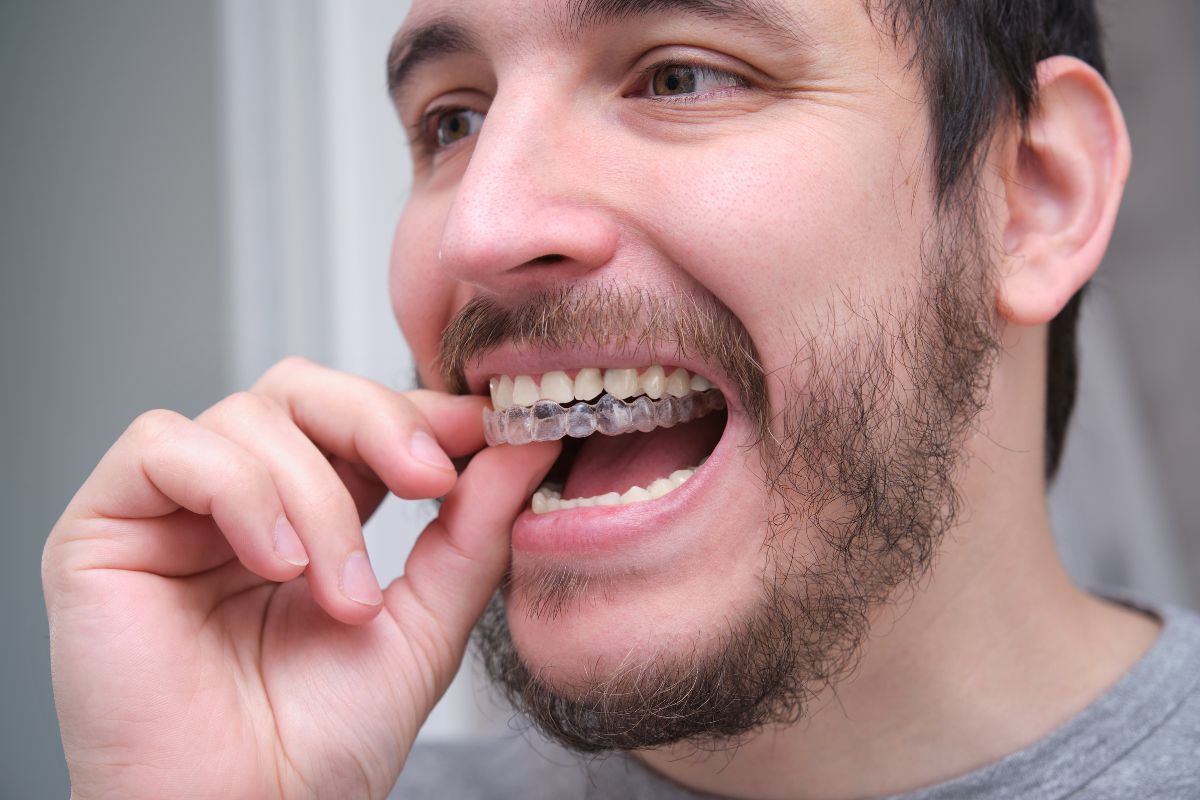
Clear aligner treatment uses a series of custom trays designed to gradually guide teeth into better alignment. Each set is worn for a specific period before moving on to the next.
Key features include:
- Removable trays that fit comfortably
- Minimal impact on daily routines
- Gradual, controlled tooth movement
- Clear design for a discreet appearance
For patients who already understand orthodontic care from prior experience, aligners can feel like a convenient update to traditional treatment.
Common Reasons Adults Choose Aligners After Braces
Many adults who seek orthodontic care again do so for practical and lifestyle reasons. Common motivations include:
- Teeth shifting after stopping retainer use
- Mild crowding or spacing affecting appearance
- Changes in bite causing discomfort
- Desire for a less noticeable treatment option
Those exploring orthodontics in Pittsburgh PA often appreciate solutions that fit professional and social lifestyles.
Invisalign vs. Braces the Second Time Around
For patients needing orthodontic care again, the choice between braces and aligners depends on the complexity of the case.
Clear aligners are often ideal for:
- Mild to moderate relapse
- Minor bite adjustments
- Cosmetic alignment concerns
Braces may still be recommended for more complex movements or significant bite correction. A qualified orthodontist Pittsburgh patients trust can help determine which option best fits your needs.
What an Orthodontic Evaluation Looks Like
Before starting treatment, a comprehensive evaluation is essential. This typically includes:
- Digital imaging or scans
- Bite and alignment assessment
- Review of dental and orthodontic history
- Discussion of goals and expectations
A Pittsburgh orthodontist uses this information to create a customized treatment plan that prioritizes comfort, efficiency, and long-term stability.
Retainers: The Key to Long-Term Results
One of the most important lessons from previous orthodontic treatment is the importance of retention. After aligner treatment, retainers help maintain results and prevent future shifting.
Wearing retainers as instructed:
- Protects your investment
- Preserves alignment
- Reduces the need for future treatment
Patients who commit to retention often enjoy stable results for years to come.
Is Invisalign After Braces Right for Everyone?
While many adults are candidates, aligners may not be ideal in every situation. Factors such as severe bite issues, advanced gum disease, or significant tooth movement needs may require alternative approaches.
That’s why a personalized evaluation is essential. Working with an experienced orthodontist ensures treatment recommendations are based on health, function, and long-term outcomes—not just appearance.
Orthodontic Care in Pittsburgh, PA
Patients seeking care from Sepic & Madison Orthodontics benefit from a thoughtful, patient-focused approach. With experience across a wide range of orthodontic needs, the practice helps individuals understand their options and choose solutions that fit their goals.
For those researching orthodontist Pittsburgh or pittsburgh orthodontist services, clear aligners after braces are often part of a broader conversation about maintaining a healthy, confident smile.
Conclusion
Teeth can shift years after braces, even with good intentions. Fortunately, modern orthodontic solutions make it possible to address these changes discreetly and effectively. Invisalign after braces may be an excellent option for patients looking to restore alignment without returning to traditional appliances.
Understanding why teeth move and how aligners work empowers you to make informed decisions about your smile’s future.
If you’ve noticed changes in your smile since wearing braces, consider scheduling a consultation with Sepic & Madison Orthodontics in Pittsburgh, PA. A personalized evaluation can help determine whether clear aligners are the right solution for your needs and guide you toward lasting results.