Peters Township 724-942-4229

Invisalign Aligners Won’t Stay On? Causes and Easy Fixes
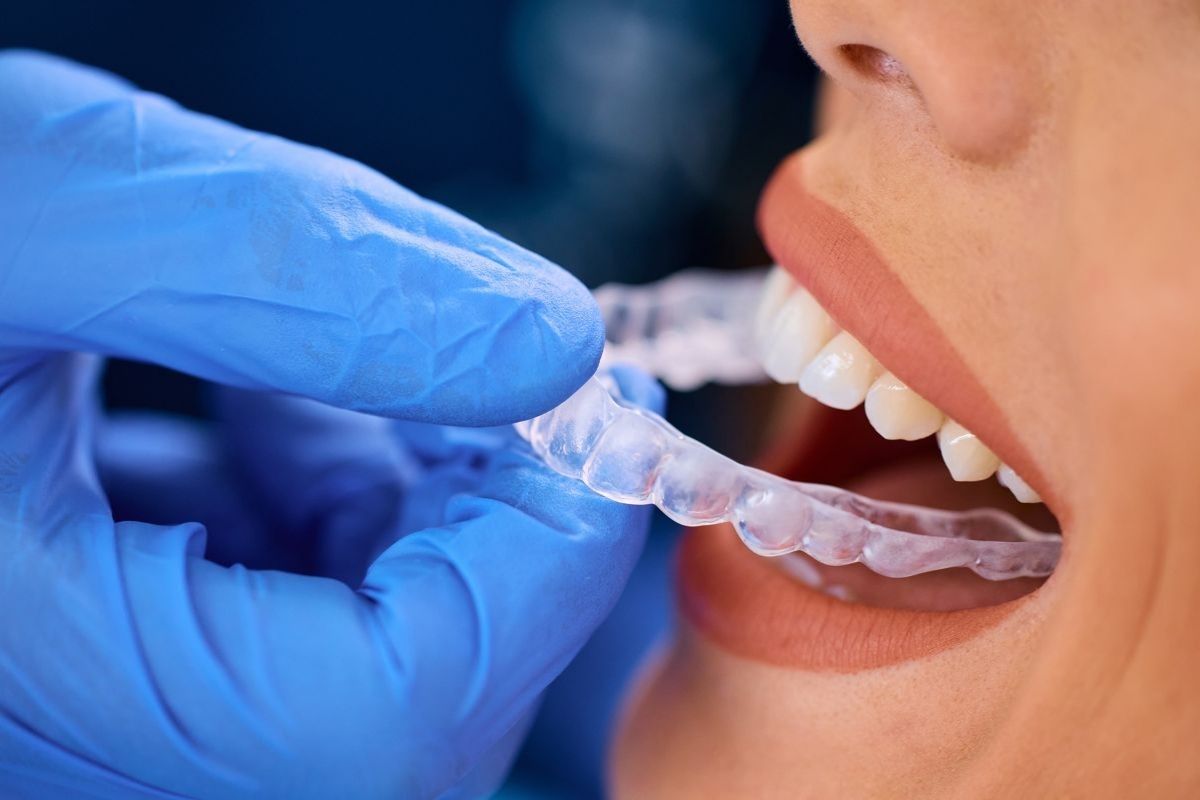
Clear aligners are designed to fit snugly and work quietly in the background as they straighten teeth. So when aligners won’t stay on, it can be frustrating—and a little worrying. You may wonder if you’re doing something wrong or if treatment is off track.
The good news is that this is a fairly common concern, especially early in treatment or right after switching to a new set. Understanding why aligners may feel loose and knowing what steps to take can help keep your progress on schedule. Below, we’ll break down the most common causes and simple, practical fixes, along with guidance on when to reach out to a professional.
Why Proper Aligner Fit Matters
Aligners are designed to apply gentle, consistent pressure to move teeth over time. When they don’t fit properly, that pressure may be uneven or reduced, which can slow progress or cause discomfort. A secure fit helps ensure teeth are tracking as planned and keeps treatment predictable.
If you’re undergoing Invisalign in Pittsburgh, maintaining proper fit is one of the most important factors in achieving the desired results on time.
Common Reasons Aligners Won’t Stay On
1. New Trays Need Time to Settle
When you switch to a new set, it’s normal for them to feel tight or slightly unstable at first. Teeth need time to adjust to the new shape. In many cases, the aligners will begin fitting better after a day or two of consistent wear.
2. Incomplete Seating
Aligners may appear to be in place but aren’t fully seated on the teeth. This often happens around the back molars or near attachments. Even a small gap can make them feel loose or pop off.
3. Skipping Wear Time
Clear aligners are designed to be worn for most of the day. If they’re not worn consistently, teeth may shift slightly, making it harder for the trays to fit properly again.
4. Worn or Damaged Aligners
Over time, trays can lose their shape or develop small cracks. This can affect how well they grip the teeth, especially near the edges.
5. Attachments Missing or Loose
Many treatment plans use small tooth-colored attachments to help guide movement. If one comes off, the aligner may no longer stay in place as intended.
Easy Fixes You Can Try at Home
Before assuming something is wrong, try these simple steps to improve fit.
Use Chewies or Aligner Seating Tools
Chewies are small rubber cylinders designed to help press aligners fully onto the teeth. Biting down on them for a few minutes—especially when switching to a new set—can make a noticeable difference.
Check Alignment Carefully
Use a mirror to check that the aligners are fully seated on each tooth. Gently press along the edges, starting from the front and moving to the back.
Clean Aligners Thoroughly
Buildup from saliva or residue can interfere with fit. Rinse aligners with lukewarm water and clean them daily using recommended methods.
Return to the Previous Set (If Advised)
If a new set simply won’t fit, some orthodontists recommend temporarily wearing the previous aligners until you can be evaluated. This should only be done if previously discussed or advised.
When You Should Contact an Orthodontist
While minor fit issues are common, some situations call for professional attention. Reach out if:
- Aligners repeatedly pop off despite proper seating
- Pain or pressure feels uneven or excessive
- An attachment has fallen off
- A tray is cracked or warped
- Fit hasn’t improved after a few days
A pittsburgh orthodontist can assess whether adjustments, replacement trays, or timeline changes are needed. Early intervention helps prevent delays.
Can Poor Fit Affect Results?
Yes, if left unaddressed. Aligners that don’t stay on may not move teeth as planned, potentially extending treatment time. That’s why it’s important to act quickly rather than trying to “push through” a poor fit.
Patients receiving Invisalign in Pittsburgh often see the best results when they communicate fit concerns early and follow wear instructions closely.
Tips to Prevent Future Fit Issues
- Wear aligners for the recommended number of hours daily
- Switch to new trays on schedule, preferably at night
- Store aligners properly when eating or drinking
- Avoid exposing trays to heat, which can warp them
- Attend all scheduled check-ins
Consistency is key. Small habits can make a big difference in how smoothly treatment progresses.
Conclusion
Aligners that won’t stay on can be annoying, but they’re usually fixable. In many cases, the issue comes down to seating, timing, or normal adjustments as teeth move. Simple tools and careful wear often solve the problem quickly.
However, ongoing fit issues shouldn’t be ignored. Professional guidance ensures that treatment stays on track and continues to work as intended. With the right support and habits, clear aligner therapy remains a reliable and effective way to achieve a healthier, straighter smile.
If your aligners aren’t fitting as they should or you have questions about your progress, scheduling a check-in can provide clarity and peace of mind. The team at Sepic & Madison Orthodontics in Pittsburgh, PA can help evaluate fit concerns and keep your treatment moving forward comfortably and efficiently.