Peters Township 724-942-4229

Maintaining Oral Health with Invisalign: Tips and Tricks
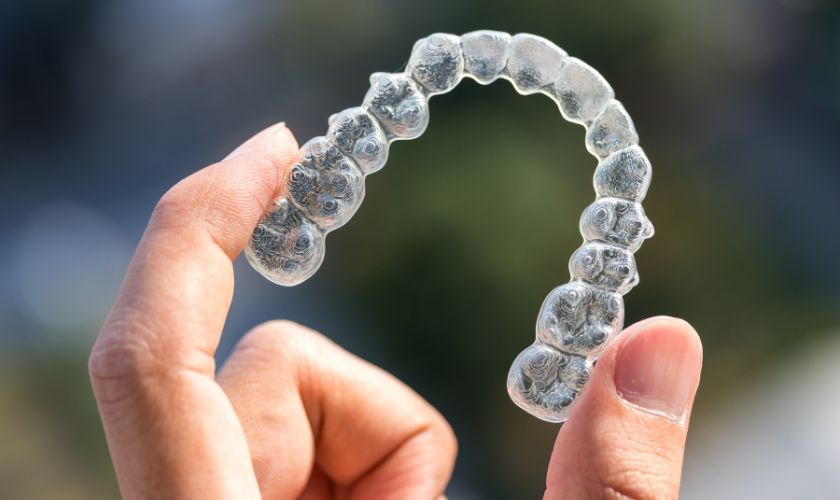
Clear aligners have changed the way people approach orthodontic care, offering a discreet and flexible option for straightening teeth. While the convenience is appealing, maintaining good oral health during treatment still requires commitment and consistency. Aligners sit directly against your teeth for most of the day, which means small habits—both good and bad—can have a bigger impact than you might expect.
Whether you’re just starting treatment or already well into it, understanding how to care for your teeth, gums, and aligners can make a meaningful difference. These practical tips focus on keeping your mouth healthy throughout the process, without adding unnecessary steps to your routine.
Why Oral Hygiene Matters During Clear Aligner Treatment
Aligners are designed to fit snugly, which helps guide teeth into proper alignment. However, this close fit can also trap food particles and bacteria if proper hygiene isn’t followed. Over time, that buildup can lead to cavities, gum irritation, or bad breath.
Maintaining oral health during treatment isn’t just about protecting your teeth—it also supports more predictable results. Healthy gums and clean teeth allow aligners to work as intended, helping you stay on track with your treatment timeline.
Build a Consistent Daily Routine
A strong daily routine is the foundation of oral health during aligner treatment.
Brush After Every Meal
Because aligners are worn most of the day, it’s important to brush your teeth after eating before putting them back in. This helps prevent food debris and sugars from being trapped against your enamel. Use a soft-bristled toothbrush and fluoride toothpaste, focusing on gentle, thorough cleaning.
Floss at Least Once a Day
Flossing removes plaque and food particles from areas your toothbrush can’t reach. This step is especially important during orthodontic care, as tight spaces between teeth can become more difficult to clean as alignment changes.
Don’t Forget Your Tongue
Bacteria can collect on the tongue and contribute to bad breath. A gentle tongue cleaning once a day can help keep your mouth feeling fresh.
Keep Your Aligners Clean and Clear
Caring for your aligners is just as important as caring for your teeth.
Rinse Every Time You Remove Them
Whenever you take your aligners out, rinse them with lukewarm water. This simple step helps reduce bacteria buildup and prevents saliva from drying on the trays.
Clean Aligners Daily
Use a clear aligner cleaning solution or a gentle, non-abrasive cleanser. Avoid toothpaste, which can scratch the surface and make aligners appear cloudy over time.
Avoid Heat Exposure
Never clean aligners with hot water or leave them in a warm environment. Heat can warp the material and affect how well they fit.
Be Mindful of What You Eat and Drink
Diet plays a larger role during aligner treatment than many people realize.
Remove Aligners Before Eating
Always take aligners out before meals and snacks. Eating with them in place can damage the trays and increase the risk of staining and bacteria buildup.
Limit Sugary and Acidic Foods
Frequent sugar and acid exposure can weaken enamel, especially when aligners are worn afterward. Moderation and proper brushing help protect your teeth.
Stick to Water When Wearing Aligners
Water is the only beverage safe to drink while aligners are in place. Other drinks can stain the trays and increase the risk of tooth decay.
Stay on Schedule with Wear Time
Consistent wear is key to effective treatment and oral health.
Aligners should typically be worn 20 to 22 hours per day. Wearing them as directed helps ensure steady progress and reduces the likelihood of extended treatment time. Taking aligners out too often can slow movement and increase the chance of irritation or discomfort when they’re put back in.
Pay Attention to Your Gums
Healthy gums are essential for successful orthodontic treatment.
If you notice redness, swelling, or bleeding, it may be a sign that plaque is building up along the gumline. Improving brushing and flossing habits often resolves mild issues, but persistent symptoms should be evaluated by a dental professional.
Regular check-ins allow your orthodontic provider to monitor gum health and make adjustments if needed.
Don’t Skip Regular Dental Visits
Even during orthodontic treatment, routine dental cleanings and exams remain essential.
Professional cleanings remove hardened plaque that daily brushing can’t eliminate. Exams help catch early signs of cavities or gum disease before they become more serious. For patients using Invisalign in Pittsburgh, maintaining regular dental visits supports both oral health and treatment success.
At Sepic & Madison Orthodontics in Pittsburgh, PA, patients receive guidance that emphasizes preventive care alongside orthodontic progress.
Store Aligners Properly
When aligners aren’t in your mouth, they should always be stored in their case.
Leaving them on napkins or countertops increases the risk of contamination, damage, or accidental disposal. Proper storage protects your investment and helps maintain hygiene throughout treatment.
Conclusion
Maintaining oral health during clear aligner treatment doesn’t require complicated routines—just consistency and attention to detail. By brushing and flossing regularly, caring for aligners properly, making mindful food choices, and keeping up with professional visits, you can protect your teeth and gums while working toward a straighter smile.
These habits not only support successful orthodontic results but also set the foundation for long-term oral health well beyond treatment.
If you’re considering Invisalign or currently undergoing treatment and want guidance on maintaining excellent oral health, schedule a consultation with an experienced orthodontic team. Sepic & Madison Orthodontics in Pittsburgh, PA is committed to helping patients stay informed, confident, and on track throughout their orthodontic journey.