Peters Township 724-942-4229

Orthodontic Emergencies at Night: What Patients Should Know
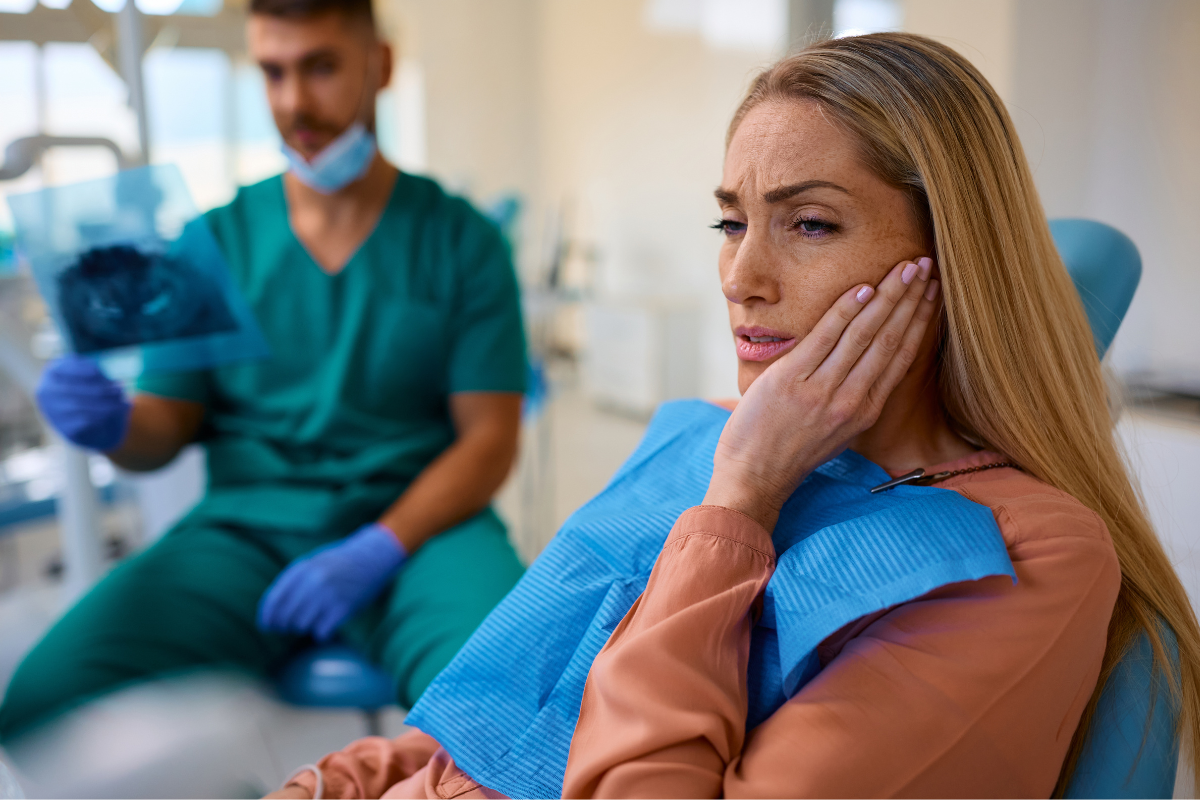
Orthodontic problems do not always happen during convenient office hours. A wire may suddenly start irritating your cheek after dinner, a bracket may come loose before bed, or your child may have an accident during an evening sports practice. When something feels wrong, it is natural to wonder whether you should wait until morning or seek help immediately.
The good news is that most orthodontic problems are uncomfortable rather than dangerous. However, some situations involving significant injuries, uncontrolled bleeding, breathing difficulties, or serious trauma require immediate medical attention. Knowing the difference can help you respond calmly and appropriately.
If you are looking for emergency orthodontic treatment in McMurray, understanding what to do after hours can help you protect your smile and avoid unnecessary delays. At Sepic & Madison Orthodontics, we provide orthodontic care designed to support patients through unexpected problems as well as routine treatment.
Is Every Orthodontic Problem a True Emergency?
Not necessarily.
An orthodontic emergency generally refers to an unexpected problem involving braces, aligners, retainers, or another orthodontic appliance that requires attention sooner than a regularly scheduled appointment.
However, there is an important distinction between an urgent orthodontic problem and a medical or dental emergency.
Problems That May Need Prompt Orthodontic Attention
These can include:
- A loose or broken bracket
- A poking or displaced wire
- A loose orthodontic band
- A damaged expander or appliance
- A cracked or distorted aligner
- A broken or lost retainer
- Significant irritation from an appliance
- Persistent or unusual orthodontic pain
These problems should generally be reported to your orthodontic office, but they are not necessarily life-threatening. The AAO notes that many appliance-related problems can be managed temporarily at home until the orthodontist can provide further guidance.
Situations That Require Immediate Medical Attention
Seek emergency medical care when an orthodontic problem is accompanied by:
- Heavy or uncontrolled bleeding
- Difficulty breathing
- Difficulty swallowing
- Major facial trauma
- Suspected jaw fracture
- A permanent tooth that has been knocked out or severely displaced
In these situations, don’t wait for the orthodontic office to open. Your immediate health and safety come first.
What Should You Do When an Orthodontic Problem Happens at Night?
When something goes wrong after hours, the first step is to stay calm and assess what actually happened.
Ask yourself:
- Am I experiencing severe pain or significant injury?
- Is there uncontrolled bleeding?
- Am I having trouble breathing or swallowing?
- Is a tooth severely displaced or knocked out?
- Is the problem primarily with my braces, aligner, retainer, or appliance?
If the situation appears to be an orthodontic appliance problem rather than a serious injury, you can often take temporary steps to stay comfortable until you can contact your orthodontist.
A Bracket Comes Loose at Night
A loose bracket can be alarming, especially when you first notice it.
You might feel the bracket moving along the wire or notice that it has detached from the tooth while remaining connected to the archwire.
What Can You Do?
If the bracket is still attached to the wire:
- Avoid playing with or pulling on it.
- Use orthodontic wax if the bracket is rubbing your cheek or lip.
- Avoid hard, sticky, or chewy foods.
- Contact your orthodontic office when it opens.
- Follow any after-hours instructions provided by your orthodontic practice.
A loose bracket usually does not mean your entire treatment has failed. However, it is important to let your orthodontist know because a damaged appliance can interfere with planned tooth movement.
What If a Wire Is Poking Your Cheek?
A poking wire is one of the most common problems patients experience with braces.
You may notice a sharp end irritating your:
- Cheek
- Lip
- Tongue
- Gum tissue
If the wire is accessible and can be gently repositioned without causing injury, a clean cotton swab or pencil eraser may sometimes help move it toward the tooth. Orthodontic wax can also create a temporary barrier between the wire and soft tissue.
When Should You Call the Office?
Contact your orthodontist as soon as possible if:
- The wire cannot be repositioned.
- It continues to cause significant irritation.
- A section of wire has broken.
- You are experiencing persistent pain.
- You are concerned that the appliance has been damaged.
Don’t attempt complicated repairs yourself. Your orthodontist can determine whether the wire needs to be adjusted or replaced.
What If Your Braces Are Causing Pain at Night?
Some discomfort is normal during orthodontic treatment.
You may experience tenderness:
- After braces are first placed
- After an adjustment
- After switching to a new aligner
- When teeth begin responding to orthodontic forces
Mild soreness can often be managed with soft foods and other comfort measures. However, severe or persistent pain is different and should be discussed with your orthodontist. The AAO recommends contacting the orthodontist when pain is severe or lasts longer than expected, particularly when accompanied by a broken bracket or wire.
Simple Comfort Measures
Depending on your orthodontist’s instructions, you may find temporary relief by:
- Choosing soft foods
- Rinsing with warm salt water
- Using orthodontic wax on irritating areas
- Following package or provider instructions for appropriate over-the-counter pain relief
If pain seems unusually severe or is getting worse, don’t simply assume it is normal orthodontic soreness.
What If an Aligner or Retainer Breaks at Night?
Clear aligners and retainers can crack, warp, or become damaged.
For example, you might accidentally:
- Step on an aligner
- Leave a retainer somewhere hot
- Bite down on a damaged appliance
- Lose an aligner while traveling
- Discover that an appliance no longer fits correctly
If an aligner or retainer is sharp, badly distorted, or painful, don’t continue wearing it simply because you are worried about interrupting treatment.
Contact your orthodontist for instructions. Depending on your treatment plan, your orthodontist may recommend a temporary solution until a replacement is available.
What If Your Child Has an Orthodontic Problem at Night?
Parents often have an extra layer of concern when a child or teenager has an orthodontic emergency.
Children may not always be able to describe exactly what happened, particularly if an appliance was damaged during sports, play, or another activity.
Start by checking:
- Whether there is bleeding
- Whether a tooth has been injured
- Whether the appliance is loose
- Whether the child can close their mouth normally
- Whether they can swallow comfortably
- Whether there is significant pain or swelling
If your child has experienced significant facial trauma, difficulty breathing or swallowing, uncontrolled bleeding, or a seriously injured tooth, seek immediate medical attention.
For a minor appliance problem, use temporary comfort measures and contact the orthodontic office as soon as possible.
What If the Problem Happens During Sports?
Sports-related injuries deserve special attention because orthodontic appliances can increase the risk of soft-tissue irritation when an impact occurs.
If your child or teenager participates in:
- Football
- Basketball
- Soccer
- Hockey
- Wrestling
- Lacrosse
- Martial arts
- Other contact sports
A properly fitted mouthguard can provide important protection.
If an injury occurs, don’t focus only on whether a bracket broke. Check the teeth, lips, gums, jaw, and surrounding facial structures as well.
A broken appliance may be inconvenient, but a significant oral or facial injury requires more immediate attention.
When Can an Orthodontic Problem Wait Until Morning?
This is one of the most common questions patients have after hours.
In many cases, you can wait until the orthodontic office opens when:
- A bracket is loose but isn’t causing significant injury.
- A wire is mildly irritating but can be covered with wax.
- Your braces feel uncomfortable, but the pain is mild.
- An aligner has cracked without causing injury.
- A retainer is damaged, but there is no severe pain or trauma.
- You have a minor appliance issue that does not affect your breathing, swallowing, or overall safety.
Even when the issue can wait, contact your orthodontist when the office reopens and explain what happened.
This allows the team to determine whether you need an earlier appointment or whether the problem can be addressed during your next scheduled visit.
When Should You Not Wait Until Morning?
Some symptoms should never be ignored simply because they happen outside office hours.
Seek immediate medical attention for:
Heavy Bleeding
Uncontrolled bleeding after an injury requires urgent evaluation.
Breathing or Swallowing Difficulty
Difficulty breathing or swallowing can indicate a serious problem and requires immediate attention.
Major Facial Trauma
A significant impact to the face can involve injuries beyond the orthodontic appliance.
Severe Tooth Injury
A permanent tooth that has been knocked out or severely displaced requires urgent care.
The AAO specifically identifies these situations as medical or dental emergencies rather than routine orthodontic appliance problems.
What Should You Keep in an Orthodontic Emergency Kit?
A small orthodontic kit at home can make nighttime problems easier to manage.
Consider keeping:
- Orthodontic wax
- A small mirror
- Clean cotton swabs
- A clean pair of tweezers
- A small container for a loose appliance
- A copy of your orthodontist’s contact information
The AAO also recommends keeping basic items such as orthodontic wax and a small mirror available for appliance-related issues.
If your orthodontic practice provides specific after-hours instructions, keep those instructions somewhere easy to find.
How Sepic & Madison Orthodontics Helps Patients Handle Unexpected Problems
Orthodontic treatment involves regular appointments, but patients can occasionally experience unexpected problems between visits.
At Sepic & Madison Orthodontics, we provide orthodontic care for children, teens, and adults and understand that questions can arise outside normal appointment times.
Our services focus on helping patients understand what is happening and what steps to take next.
If you experience an orthodontic problem, our team can help determine whether you need:
- Temporary at-home care
- A sooner orthodontic appointment
- Appliance repair or adjustment
- Further evaluation
- Coordination with a dentist or another oral care provider when appropriate
We believe patients should feel comfortable asking questions when something doesn’t feel right.
How to Prepare Before an Emergency Happens
You don’t have to wait for a nighttime problem to figure out what to do.
Before starting orthodontic treatment, ask your orthodontic practice:
- How should I contact the office after hours?
- Which problems require an urgent appointment?
- What can I safely manage at home?
- What should I do if an appliance breaks?
- What should I do if my child experiences an injury?
- Who should I contact if there is a serious dental or facial injury?
Knowing the answers ahead of time can make an unexpected situation much less stressful.
FAQs About Orthodontic Emergencies
Is a broken bracket an orthodontic emergency?
Usually, a broken bracket is an urgent orthodontic problem rather than a life-threatening emergency. Contact your orthodontist for instructions, especially if the bracket is causing pain or irritation.
What should I do if my orthodontic wire is poking me at night?
Try to gently reposition the wire if it can be done safely, or cover the irritating area with orthodontic wax. Contact your orthodontist when the office opens for further instructions.
When should I go to the emergency room for an orthodontic problem?
Seek immediate medical attention for serious situations such as uncontrolled bleeding, difficulty breathing or swallowing, suspected jaw fracture, major facial trauma, or a permanent tooth that has been knocked out or severely displaced.
Can I wait until morning if my braces hurt?
Mild soreness is common during orthodontic treatment and may often be managed temporarily. However, severe, unusual, or persistent pain should be reported to your orthodontist promptly.
What should I do if my aligner breaks overnight?
If the aligner is sharp, badly distorted, or painful, don’t continue wearing it without guidance. Contact your orthodontist for instructions about your next step and whether a replacement is needed.
Conclusion
An orthodontic problem at night can feel stressful, but not every problem requires an emergency room visit. Understanding the difference between minor appliance problems, urgent orthodontic concerns, and true medical emergencies can help you make a safer decision.
If you have a loose bracket, poking wire, damaged aligner, or other orthodontic issue, contact your orthodontist for guidance as soon as possible. For serious injuries involving uncontrolled bleeding, breathing or swallowing difficulties, major facial trauma, or a severely injured permanent tooth, seek immediate emergency orthodontic treatment in McMurray.
At Sepic & Madison Orthodontics, we provide personalized orthodontic services for patients in McMurray and surrounding communities. If you’re experiencing an orthodontic problem and aren’t sure what to do next, contact our practice for guidance and learn how our team can help keep your treatment on track.
Don’t let an unexpected orthodontic problem leave you guessing. Contact Sepic & Madison Orthodontics to discuss your situation and determine the appropriate next step.