Peters Township 724-942-4229

How Orthodontic Care Helps Prevent Long-Term Dental Problems
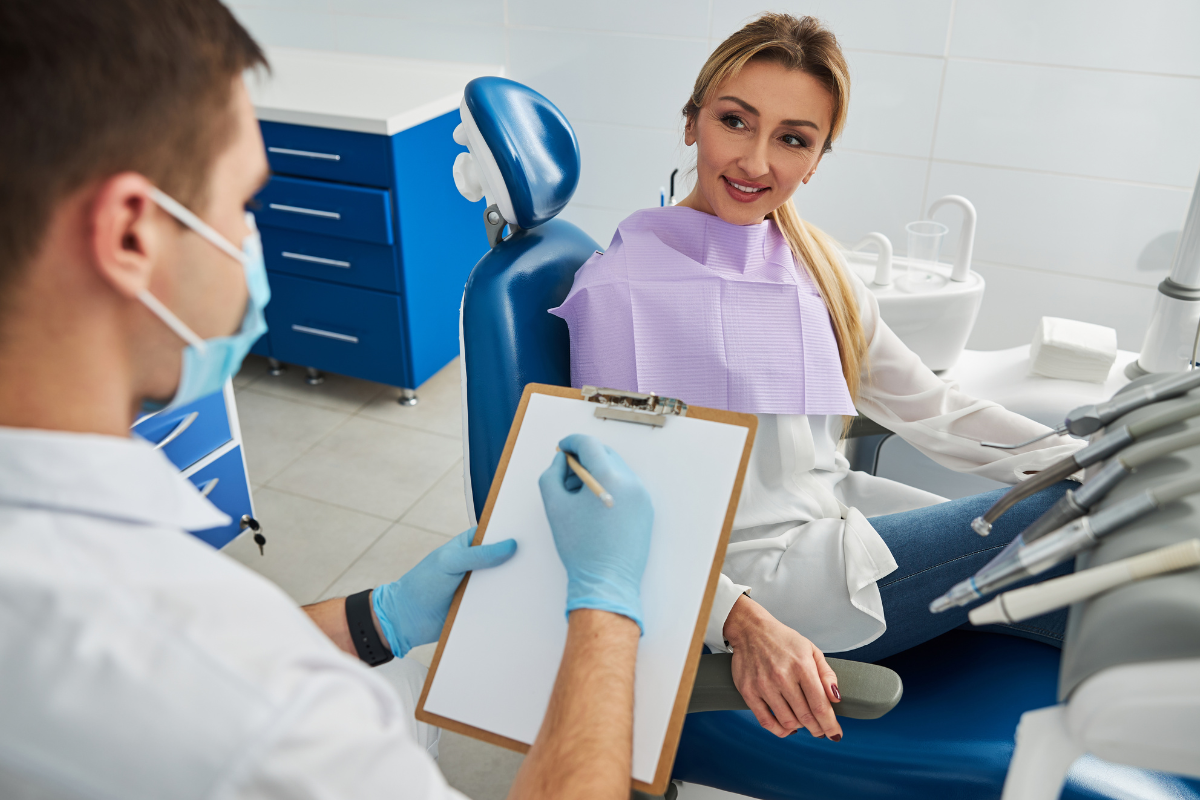
A healthy smile involves more than just clean teeth and fresh breath. The way your teeth fit together plays an important role in how comfortably you chew, speak, and maintain oral hygiene. When teeth are misaligned or the bite is uneven, it can lead to a range of dental complications over time.
Many people assume orthodontic treatment is mainly for cosmetic purposes, but the reality is quite different. Orthodontic care is designed to correct alignment problems that could eventually affect both oral health and overall comfort. Issues such as crowded teeth, jaw strain, and improper bite patterns can gradually worsen if they are not addressed early.
Families seeking professional guidance on orthodontics often begin by consulting a Pittsburgh Orthodontist whom the locals trust for specialized care. Dental clinics like Sepic & Madison Orthodontics in Pittsburgh provide detailed evaluations to identify potential alignment problems and create customized treatment plans to restore both function and aesthetics.
By correcting dental alignment early, orthodontic treatment can help patients avoid future complications while improving the appearance and balance of their smiles.
Why Tooth Alignment Matters for Oral Health
Proper tooth alignment allows the upper and lower teeth to meet comfortably when biting and chewing. When the teeth fit together naturally, chewing forces are distributed evenly across the mouth.
However, when teeth are crooked, crowded, or positioned incorrectly, certain areas of the mouth may experience excessive pressure. Over time, this uneven pressure can lead to problems such as enamel wear, jaw discomfort, or even cracked teeth.
Misalignment can also make it harder to maintain daily oral hygiene. When teeth overlap or rotate out of place, food particles and plaque can become trapped between them. This increases the likelihood of cavities and gum disease.
Orthodontic treatment corrects these issues by guiding teeth into their ideal positions. Once alignment improves, many patients notice that brushing and flossing become much easier and more effective.
Early Signs That Orthodontic Evaluation May Be Needed
Orthodontic problems often develop gradually, which means patients may not immediately notice them. However, several common signs may indicate that a professional evaluation could be beneficial.
Children may experience delayed or irregular tooth eruption patterns. If permanent teeth appear crowded or shift into unusual positions as they emerge, orthodontic guidance may be recommended.
Adults may notice changes in their bite, such as difficulty chewing comfortably or teeth that appear to overlap more as time goes on. Jaw discomfort or clicking sounds near the ears can also suggest that the bite may not be properly balanced.
Another common indicator is uneven tooth wear. When teeth grind against each other irregularly, the enamel may begin to wear down faster than normal.
Recognizing these early warning signs allows orthodontic professionals to intervene before the condition becomes more severe.
The Orthodontic Treatment Process
Orthodontic care follows a structured process designed to gradually correct alignment problems while maintaining patient comfort.
Comprehensive Consultation
Treatment begins with a detailed examination of the teeth, jaw structure, and overall bite pattern. Digital X-rays, photographs, and impressions help orthodontists understand the exact positioning of the teeth.
This diagnostic phase is essential for identifying hidden issues that may not be visible during a routine dental exam.
Treatment Planning
After reviewing the diagnostic results, the orthodontic professional develops a customized plan according to the patient’s needs. Each case is unique, so treatment plans may vary depending on the severity of the alignment issue and the patient’s age.
Orthodontic Appliances
Braces and clear aligners are the most common tools used to move teeth into proper alignment. Braces use brackets and wires to apply gentle pressure, while clear aligners use custom trays that gradually guide teeth into place.
Both methods work by slowly shifting teeth over time, allowing the surrounding bone and tissues to adapt safely.
Monitoring Progress
Regular visits allow the orthodontic specialist to monitor progress and make necessary adjustments. These appointments ensure that the teeth continue moving in the desired direction and that treatment stays on schedule.
Maintaining the Results
Once treatment is complete, retainers are used to maintain the new alignment. Retainers prevent teeth from shifting back to their original positions and help preserve the results of orthodontic care.
Advantages of Professional Orthodontic Treatment
Orthodontic treatment offers several long-term benefits that go far beyond cosmetic improvements.
Improved Chewing Efficiency
When teeth align properly, the bite functions more efficiently, making it easier to chew food comfortably.
Better Oral Hygiene
Straight teeth are easier to brush and floss, which reduces plaque buildup and lowers the risk of cavities.
Reduced Tooth Wear
Evenly aligned teeth distribute pressure more evenly, protecting enamel from excessive grinding or friction.
Enhanced Confidence
Many patients feel more confident in social and professional settings once their smiles are properly aligned.
Jaw Health and Comfort
Correcting bite problems can relieve tension in the jaw joints and reduce symptoms such as headaches or jaw soreness.
These benefits contribute to both improved oral health and better overall well-being.
Orthodontic Treatment for Different Age Groups
Orthodontic care is not limited to teenagers. Patients of all ages can benefit from treatment depending on their dental needs.
Children and Early Monitoring
An orthodontist in Pittsburgh often recommends an initial evaluation during childhood. Early assessments help identify potential alignment issues while the jaw is still developing.
Teen Orthodontics
Teenagers are among the most common orthodontic patients because their permanent teeth have fully erupted, making it easier to correct alignment problems.
Adult Orthodontic Care
Many adults who did not receive orthodontic treatment earlier in life choose to improve their smiles later on. Modern options such as clear aligners provide a discreet way to straighten teeth without noticeable braces.
Orthodontic treatment at any age can significantly improve both oral health and smile aesthetics.
Common Questions About Orthodontic Care
How long does orthodontic treatment usually take?
The length of treatment varies depending on the severity of the alignment issue. Most orthodontic cases take between 12 and 24 months to complete.
Are clear aligners effective for adults?
Yes. Clear aligners are a popular option for adults because they are removable and less noticeable than traditional braces.
Is orthodontic treatment uncomfortable?
Patients may experience mild pressure when appliances are adjusted, but this usually subsides within a few days. Modern orthodontic techniques are designed to minimize discomfort.
How often are orthodontic visits required?
Most patients visit their orthodontist every four to eight weeks to monitor progress and adjust appliances as needed.
Achieve a Healthy, Confident Smile with Professional Orthodontic Care
Tooth alignment plays a critical role in maintaining oral health, comfort, and confidence. When teeth are misaligned or the bite is uneven, it can lead to challenges with chewing, oral hygiene, and jaw health.
Consulting an experienced Pittsburgh Orthodontist allows patients to rely on an expert to diagnose these issues early and treat them effectively. Through customized orthodontic treatment, patients can correct alignment concerns and protect their smiles for the future.
At Sepic & Madison Orthodontics in Pittsburgh, patients receive expert care designed to improve both the function and appearance of their smiles. With the right treatment plan and professional guidance, achieving a balanced, healthy smile becomes a realistic and rewarding goal.