Peters Township 724-942-4229

Not Just for Straight Teeth: How Clear Aligners Address Bite Issues
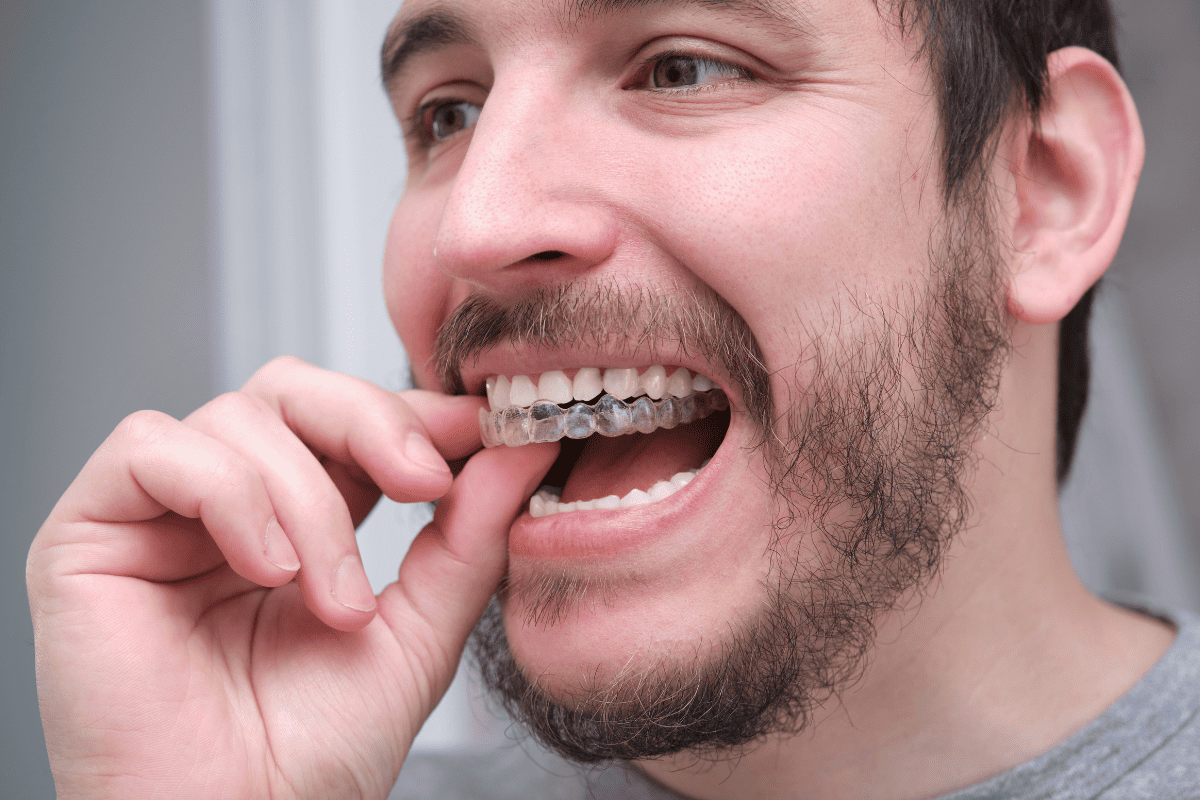
Have you ever wondered if clear aligners do more than just straighten crooked teeth?
If you live in Uniontown or the surrounding communities in western PA, you may have heard about clear aligners from a friend, coworker, or family member. Most people think of them as a way to line up teeth that are crowded or spaced apart. But there is actually much more to this treatment than that.
Clear aligners can also correct bite problems- issues that affect how your upper and lower teeth come together when you close your mouth. These problems are not just cosmetic. They can affect how you chew, how you speak, and even how your jaw feels over time.
At Sepic & Madison Orthodontics, patients in Uniontown and nearby areas are learning that this treatment option goes much further than just a straighter smile.
What Are Bite Issues, and Why Do They Matter?
A bite problem, or malocclusion, happens when the teeth do not line up correctly. This affects more than your appearance. Left untreated, bite problems can lead to:
- Jaw pain or soreness
- Uneven wear on teeth
- Difficulty chewing or biting food
- Speech problems
- Headaches or tension in the jaw area
- Increased risk of tooth damage over time
People in Fayette County and throughout southwestern PA often put off dealing with these issues because they assume the only solution is metal braces. That is simply not the case anymore.
Common Bite Problems That Orthodontic Aligners Can Treat
A trusted orthodontist can evaluate your bite and determine whether removable aligner trays are the right path for you. Here are the most common bite issues these trays can address:
Overbite
An overbite happens when your upper front teeth extend too far over your lower front teeth. A mild overbite is normal, but a deep overbite can cause your lower teeth to bite into the roof of your mouth. It can also cause jaw discomfort.
Aligner trays are designed to shift the position of upper and lower teeth gradually. Over time, they bring the bite into better alignment and reduce the overlap.
Underbite
An underbite is the opposite- the lower teeth sit in front of the upper teeth when the mouth is closed. This can cause trouble chewing and may put strain on the jaw joint.
While severe underbites may need additional treatment, many moderate cases respond well to aligner therapy, especially when addressed early.
Crossbite
A crossbite happens when some upper teeth sit inside the lower teeth instead of outside them. It can affect just one tooth or multiple teeth. Over time, crossbites can cause uneven jaw development and increased tooth wear.
Aligner trays can be used to gradually move the affected teeth into their correct positions, helping correct how the bite comes together.
Open Bite
With an open bite, the upper and lower front teeth do not meet at all when the back teeth are closed. This makes it hard to bite into food. It can also affect speech clarity.
Open bites are often linked to habits like prolonged thumb-sucking or tongue thrusting. An orthodontist can assess the cause and determine whether aligner therapy is the right approach.
Crowding and Spacing That Affects the Bite
Teeth that are too crowded or too far apart can shift the way the jaw closes. When teeth are not properly aligned, it throws the entire bite off balance. Correcting the placement of teeth can improve both alignment and function.
How Clear Aligners Work to Correct the Bite
The process is more precise than many people realize.
Each set of alignment trays is customized to fit your mouth. As you move through the series of trays, switching to a new set approximately every two weeks, your teeth are gently guided into new positions. The trays apply controlled pressure on specific teeth at specific times.
When it comes to bite correction, the trays can be combined with small attachments or buttons placed on certain teeth. These help anchor the movement needed to shift the bite, not just straighten the teeth.
Treatment Is Personalized
No two bites are the same. Your oral care provider will take digital scans or impressions of your teeth to map out a full treatment plan. A 3D model shows how your bite will shift over time throughout the entire course of treatment.
This planning process is what makes aligner therapy so effective for bite correction, not just cosmetic tooth alignment.
Who Is a Good Candidate for This Treatment?
Not everyone with a bite problem is a candidate for aligner therapy. Patients with very severe bite issues or significant jaw misalignment may need other treatment options, such as surgical orthodontics.
However, many adults and teens with mild-to-moderate bite problems are strong candidates. An orthodontist can assess your bite during an initial consultation and give you a clear picture of what to expect.
Good candidates often include people who:
- Have a mild to moderate overbite, underbite, or crossbite
- Have crowded or spaced teeth that affect how the bite closes
- Want a removable treatment option
- Are committed to wearing these trays for the recommended 20 to 22 hours per day
If you are searching for clear aligners or Invisalign in Uniontown, a consultation at a local dental practice is the best first step to find out whether you qualify.
Why Choosing the Right Orthodontist Matters
When it comes to bite correction, experience and thorough planning make a real difference. Bite correction is not the same as straightening a few crooked teeth. It requires a detailed understanding of how the jaw functions and how tooth movement affects the overall bite.
That is why working with a licensed orthodontist, rather than relying on mail-order alignment trays, is so important. A trained orthodontist monitors your progress throughout treatment, makes adjustments when needed, and helps make sure your bite is actually improving.
The team at your local dental practice takes the time to evaluate each patient’s full-bite picture before recommending a treatment plan.
What to Expect During Your Consultation
Visiting our dental office in Uniontown for the first time does not need to feel overwhelming. Here is what a typical consultation looks like:
- A full evaluation of your teeth and bite– including X-rays or digital scans
- A conversation about your goals– what you want to fix and how long you are willing to commit to treatment
- A personalized treatment recommendation– including whether aligner therapy is the right choice for your bite type
- A clear overview of cost and insurance options– so you understand what to expect financially
The consultation is your opportunity to ask questions and get honest answers from an orthodontist who understands your situation.
Ready to Fix More Than Just Your Smile?
If you have been living with a bite problem or if you were not even sure your bite was off until reading this, now is a great time to take the next step.
Clear aligners are not just for people who want straighter teeth. They are a proven treatment option for correcting how the teeth and jaw work together. The right treatment plan, guided by a trained orthodontist, can help you eat more comfortably, protect your teeth from unnecessary wear, and feel more confident every day.
Sepic & Madison Orthodontics is here to help patients throughout Uniontown and nearby communities in western PA get the care they need.
Take the first step and book an appointment today. Your bite and your smile are worth it.
Frequently Asked Questions
Q: Can removable aligner trays really fix a bite problem, or are they only for crooked teeth?
Yes, aligner trays can address many types of bite problems, including overbites, underbites, crossbites, and open bites. The treatment plan is built around your specific bite, not just tooth position. A consultation with an orthodontist is the best way to find out what is possible for your case.
Q: How long does it take to correct a bite issue with aligner therapy?
Treatment time depends on how complex the bite issue is. Mild cases may take around six months. More moderate cases can take one to two years. Your provider will give you a personalized timeline after evaluating your bite.
Q: Is aligner therapy painful when used for bite correction?
Most patients experience mild pressure or soreness when switching to a new set of trays. This is a normal sign that the teeth are moving. It usually passes within a day or two. Bite correction treatment is generally well-tolerated by both teens and adults.
Q: Will my insurance cover aligner therapy for a bite issue?
Many dental and orthodontic insurance plans include some coverage for bite correction treatment. Coverage varies by plan. It is worth calling your insurance provider before your consultation to understand your benefits. The dental office can also help verify your coverage.
Q: What happens if I do not treat my bite problem? Untreated bite issues can lead to uneven wear on the teeth, jaw discomfort, headaches, and in some cases, more complex problems over time. Getting an evaluation sooner rather than later helps you understand your options before the issue progresses.