Peters Township 724-942-4229

Why Early Orthodontic Evaluations Matter for Growing Smiles
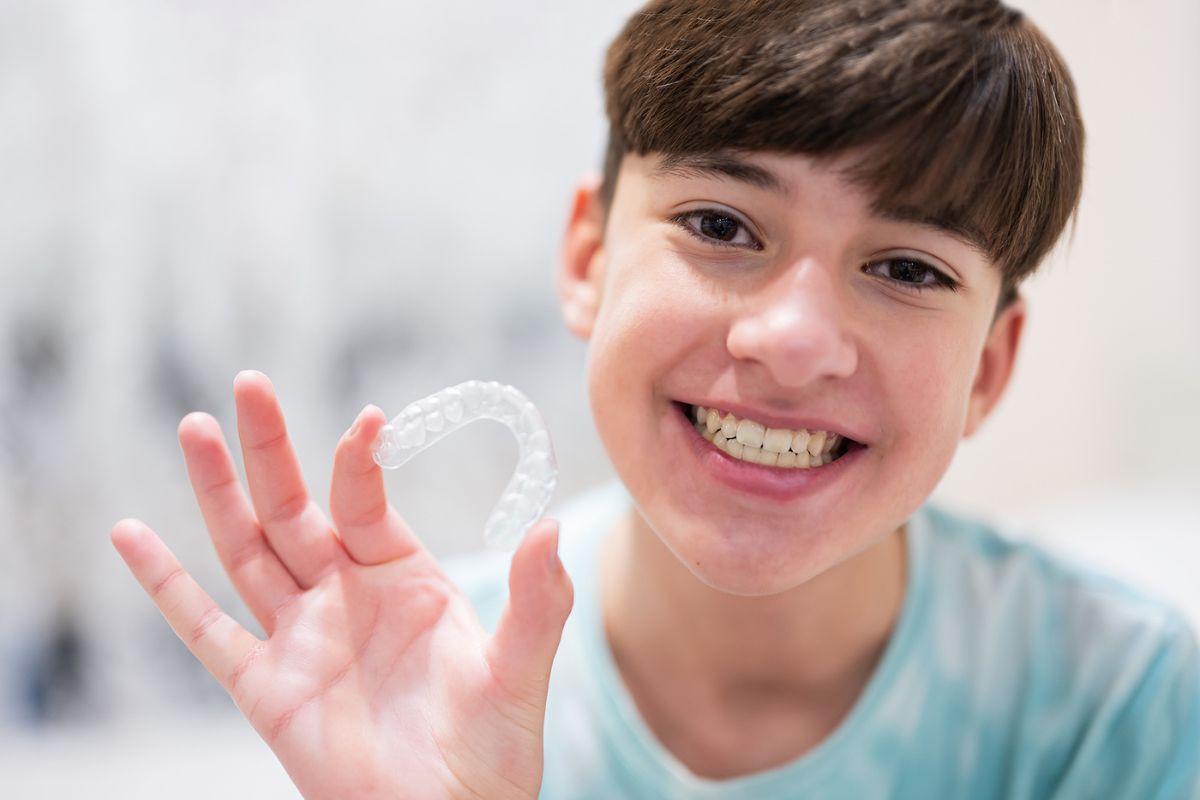
A child’s smile changes rapidly during the early years of growth. Teeth erupt, jaws develop, and facial structure begins to take shape long before all permanent teeth appear. Many parents assume orthodontic care only becomes relevant during the teenage years, but early evaluations play a critical role in identifying potential concerns before they become complex problems.
Understanding the value of early assessments helps families make informed decisions about their child’s oral development. At Sepic & Madison Orthodontics in Pittsburgh, PA, early evaluations are designed to monitor growth, guide development, and support long-term dental health—not to rush treatment before it’s truly needed.
What Is an Early Orthodontic Evaluation?
An early orthodontic evaluation is typically recommended around age seven. At this stage, a child has a mix of baby teeth and permanent teeth, allowing specialists to observe how the jaws are developing and how incoming teeth are positioned.
This type of evaluation does not always lead to immediate treatment. In many cases, it simply establishes a baseline and creates a plan for monitoring growth over time. Early insight allows orthodontic professionals to anticipate issues and intervene only when necessary.
Why Timing Matters in Childhood Development
Children’s jaws are still growing, which makes this phase especially important. Growth patterns can either help or hinder how teeth align. Identifying concerns early allows for guidance while the bones are still flexible and responsive.
Some common issues that benefit from early detection include:
- Crowding due to limited space
- Bite problems such as overbites or crossbites
- Jaw growth discrepancies
- Prolonged thumb sucking or oral habits
- Early or late loss of baby teeth
When these concerns are addressed at the right time, future treatment is often simpler and more effective.
Preventing More Complex Problems Later
One of the key benefits of early evaluations is prevention. While not every child will need early treatment, recognizing warning signs can reduce the likelihood of extensive correction later on.
Early guidance may help:
- Create space for permanent teeth to erupt properly
- Reduce the risk of impacted teeth
- Improve jaw alignment before growth is complete
- Shorten the length of future treatment
For families seeking orthodontics in Pittsburgh PA, early assessments provide clarity and peace of mind rather than uncertainty.
Supporting Speech, Chewing, and Oral Function
Alignment affects more than appearance. Bite and jaw issues can influence how a child speaks, chews, and even breathes. In some cases, misalignment contributes to uneven tooth wear or jaw discomfort as children grow.
By monitoring development early, orthodontic specialists can help ensure that oral structures function properly, supporting overall comfort and confidence during critical developmental years.
Emotional and Social Benefits for Children
As children become more aware of their appearance, dental concerns can affect self-esteem. While early evaluations are not cosmetic-focused, they often reduce the likelihood of noticeable issues during later childhood and adolescence.
Children who receive timely guidance may experience:
- Fewer visible alignment issues during school years
- Reduced teasing related to dental appearance
- Increased confidence during social interactions
Addressing concerns proactively helps children focus on growing, learning, and enjoying daily life without unnecessary distractions.
What Parents Can Expect During the Visit
An early evaluation is typically straightforward and comfortable. It may include:
- A visual examination of teeth and bite
- X-rays to assess jaw growth and tooth development
- Discussion of current findings and future expectations
Parents receive clear explanations without pressure. In many cases, the recommendation is simply to observe growth and schedule periodic check-ins.
At Sepic & Madison Orthodontics, families in Pittsburgh, PA are guided through the process with transparency and education, ensuring parents understand both current needs and future possibilities.
Early Evaluation Does Not Mean Early Braces
One common misconception is that an early visit automatically leads to braces. In reality, many children do not begin treatment until later. The goal of early evaluation is awareness, not immediate correction.
By establishing a relationship early, orthodontic specialists can determine the most appropriate timing for any future care, avoiding unnecessary or premature intervention.
Long-Term Benefits for Oral Health
Early monitoring supports healthier outcomes well into adulthood. Proper alignment reduces the risk of:
- Tooth decay caused by crowded teeth
- Gum disease due to cleaning difficulties
- Jaw strain from uneven bites
These benefits extend beyond appearance, contributing to overall oral health and function over a lifetime.
Conclusion
Early orthodontic evaluations play an important role in supporting healthy growth, balanced development, and long-term oral function. By identifying potential concerns during childhood, families gain valuable insight into how their child’s smile is developing and what steps, if any, may be needed in the future.
Rather than focusing on immediate treatment, early assessments emphasize prevention, planning, and education. This thoughtful approach allows growing smiles to develop with guidance, not guesswork.
If you’re considering an early orthodontic evaluation for your child, scheduling a consultation with Sepic & Madison Orthodontics in Pittsburgh, PA can provide clarity and reassurance. A professional assessment helps you understand your child’s development and plan confidently for the years ahead.